How to Title a Kit Car or Replica
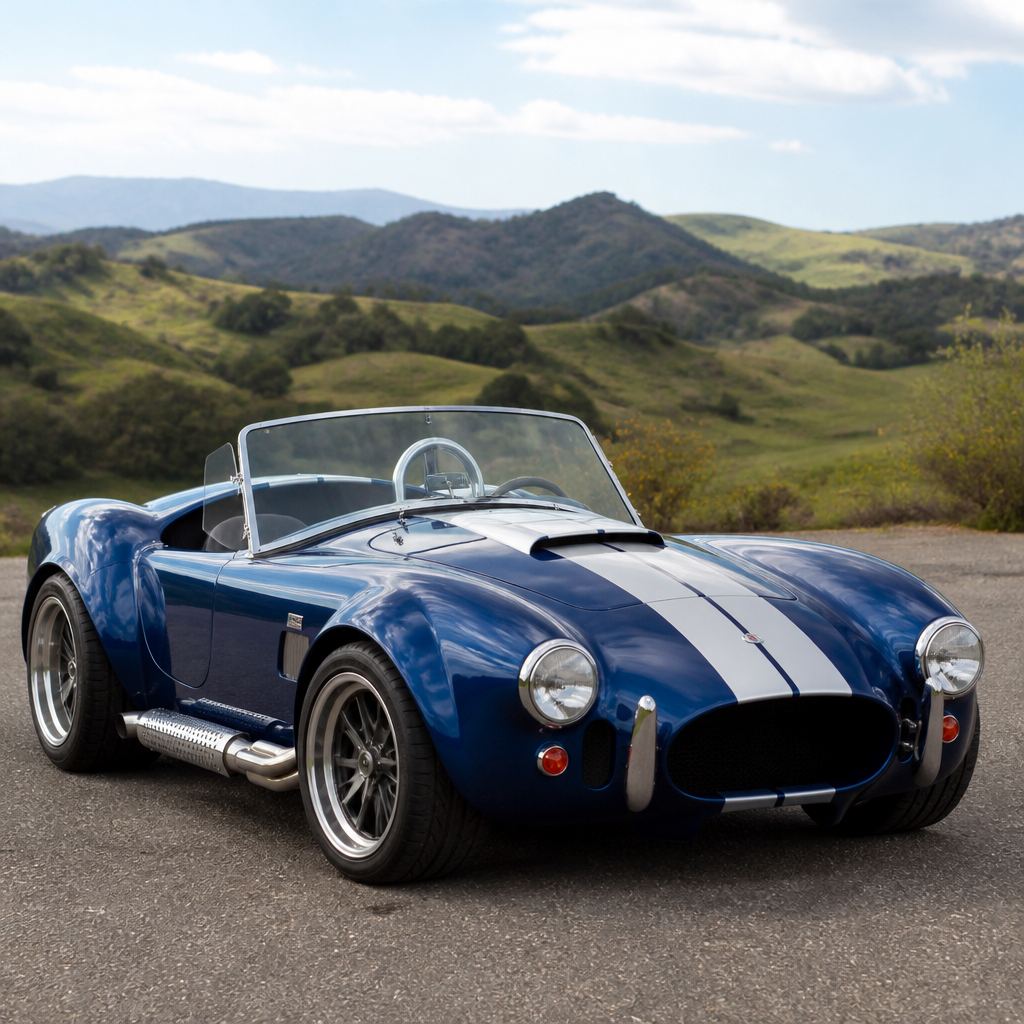
How to title a kit car or replica depends on what you actually have: a pile of parts, a completed vehicle, a re-bodied classic, or a newly assembled car that resembles an older model. Those differences control which forms you file, what identification number is used, whether emissions or safety inspections apply, and how your state labels the vehicle on the title. In plain terms, a kit car is usually assembled from components sold as a package, while a replica is built to resemble another make or model, often a Cobra, GT40, Speedster, or 1932 roadster. Some states title these vehicles as specially constructed, assembled, reconstructed, street rod, custom vehicle, or replica. That wording matters because it affects registration, taxes, insurance, and resale. I work with title problems where owners have receipts but no transferable title, donor cars with liens or missing VIN records, or a finished build that cannot pass DMV review because the paperwork trail is broken. The key is to match your vehicle to the correct legal category before you apply, then document every major component clearly enough that a state examiner can follow the chain of ownership without guessing.
Start by identifying the vehicle category your state will recognize
The first question is not “How do I register my kit car?” It is “What will my state call this vehicle?” States use different labels, and the label determines the process. A true assembled vehicle is often titled as specially constructed or assembled from parts. A replica may be titled as a replica, custom vehicle, or under a state version of the federal model created by the Low Volume Motor Vehicle Manufacturers Act, though most owner-built cars still go through state assembled-vehicle rules. If you rebuilt a titled donor vehicle and kept its original frame or unibody, your state may classify it as reconstructed instead. If you used a Factory Five kit with a Mustang donor, for example, one state may title it as a 1965 replica, another as the year assembled, and another as a specially constructed 2026 vehicle. You need the exact category because taxes, inspections, and emissions can change with it.
The most useful primary sources are your state DMV assembled vehicle page, state statutes for custom or street rod vehicles, and the National Highway Traffic Safety Administration explanation of VIN and replica vehicle rules. NHTSA does not issue your state title, but its definitions help explain why your DMV asks for certain documents. The American Association of Motor Vehicle Administrators has also published guidance used by many state agencies when they review nonstandard vehicle records. If a clerk gives a broad answer at the counter, verify it against the written policy. For kit cars, small wording differences create big downstream problems.
Build a complete ownership paper trail before you ask for a title
The most common reason a kit car or replica title application stalls is a broken paper trail. Your DMV must be able to see where the frame, body, engine, transmission, and major donor components came from. In practice, that means invoices, bills of sale, manufacturer’s statement of origin if available, donor title, lien release when applicable, and receipts showing taxes paid or purchase price. If you bought a partially built project, you need the prior owner’s transfer documents as well, not just the original kit invoice. A box of parts with no signed title to the donor Mustang is not enough when the rear axle, steering column, and engine came from that donor.
Give direct attention to names, dates, and VIN references. The seller name on the donor title should match the person who signed it over. If a title shows a lien, get a formal lien release before filing. If the engine came from a salvage yard, keep the invoice with the yard’s business information and stock number. If a frame or body came with a certificate of origin, preserve the original, because many states will not accept a photocopy. The Internal Revenue Service does not title vehicles, but an EIN confirmation may be relevant if a Montana LLC is the buyer for registration planning. That does not erase your home-state rules on tax, garaging, insurance, or use. It only means the ownership documents must line up with the applicant entity exactly.
Expect VIN assignment, inspections, and anti-theft review
Most kit cars and replicas need a state inspection before a title is issued. This is not just a safety check. It is usually a VIN inspection and anti-theft review to confirm the identity of major components and screen out stolen parts. If your build uses a donor chassis with an existing VIN, the state may inspect that VIN and decide whether it remains the primary identity. If the vehicle is newly assembled from mixed parts, the state may assign a state VIN plate after inspection. The assigned VIN then becomes the number used for title and registration.
Bring organized documents to the inspection. I recommend a binder with tabbed sections for the kit invoice, donor title, engine receipt, transmission receipt, photographs of the build stages, and any prior registrations. Photos matter because they help an examiner understand whether the vehicle began as a titled car or as loose components. Some states require certified weight slips, brake and light inspections, or patrol review by state police. California’s specially constructed vehicle process, for example, can involve CHP inspection, brake and lamp certificates, and Bureau of Automotive Repair steps under SB100 for qualifying vehicles. Other states use a simpler DMV or law-enforcement VIN verification process. The exact checklist varies, but no state likes uncertainty about where the parts came from.
Know how emissions, model year, and equipment rules are applied
Owners often assume a replica is exempt from modern rules because it looks like a 1965 or 1932 car. That is not always true. States apply emissions and equipment standards using different logic: year assembled, year titled, year represented, engine year, or a special custom-vehicle exemption. The federal Environmental Protection Agency explains that states administer their own inspection and maintenance programs within federal requirements, which is why one state may test a newly titled replica and another may exempt it. Headlamps, windshield glazing, wipers, mirrors, seat belts, and fenders are also common inspection points.
| Issue | What the DMV usually asks | What changes the answer |
|---|---|---|
| Model year on title | Was it assembled this year, or does state law allow replica year designation? | State statute, body style, donor identity |
| Emissions testing | Which year standard applies to engine or vehicle? | County program, engine year, special exemption |
| VIN used | Original donor VIN or state-assigned VIN? | Whether the original frame or unibody remained |
| Taxes and fees | What purchase price and parts value are taxable? | Receipts, prior tax paid, state formulas |
| Insurance description | How will the carrier classify the vehicle? | Agreed value, mileage limits, build type |
This is where many applications fail after inspection. The owner built a clean car, but the paperwork describes it in a way that triggers the wrong emissions lane or missing-equipment standard. Before filing, confirm how your state titles and tests replicas specifically, using statute, regulation, or DMV published guidance.
Fixing missing titles, donor problems, and broken chains of ownership
Many kit car title issues are not really about the kit. They are ordinary title defects inside an unusual vehicle file. Common examples include a donor title signed by the wrong seller, a deceased prior owner, an unreleased lien, an out-of-state record that no longer matches the VIN, or a project sold repeatedly on bills of sale without proper reassignment. These defects usually must be cured before the assembled vehicle title can be issued. A bonded title may help in some states when ownership evidence is incomplete, but bonds are state-specific and not available for every vehicle class. Court orders, probate documents, corrected reassignment forms, duplicate title applications, and lien satisfactions are other common cures.
This is where a file review matters. You need to know whether the break is fixable through ordinary replacement-title procedures, through a donor-state correction, or through an assembled-vehicle path that minimizes dependence on an unusable prior title. Legal Tags handles document review for unusual title records and can identify when a usable title supports registration options versus when the chain is broken badly enough that retitling strategy comes first. That is especially useful for projects bought from estates, abandoned builds, or online marketplace sales with incomplete paperwork.
Registration strategy, insurance, and when handled paperwork helps
Once title is possible, registration strategy still matters. Some owners want local registration in their home state. Others are evaluating a Montana registration structure for a qualifying situation, often because the vehicle is high value, used across multiple states, or owned through an LLC for administrative reasons. That can be lawful when done correctly, but it does not override your home-state laws on residency, use tax, garaging, insurance underwriting, lender requirements, or emissions compliance. Every owner should review those issues before relying on any out-of-state structure.
Insurance should also be arranged early, because many carriers classify replicas separately from standard autos. Agreed value coverage, mileage limitations, storage requirements, and appraisal requests are common. A car titled as specially constructed may need different underwriting than the same vehicle titled as a 1965 replica. If your paperwork category and your insurance application do not match, claims problems can follow.
The practical path is simple: identify the correct vehicle category, assemble a clean ownership chain, verify inspection and emissions rules, then file under the process your state actually uses. If you already have a usable title and need registration options, move to the registration path that fits your facts. If your title chain is broken, start with a file review or retitling plan before you spend more money on repairs or transport. That first step saves time, prevents DMV rejection, and gives you a realistic route to putting the car on the road legally.
Frequently Asked Questions
What is the difference between titling a kit car and titling a replica?
The difference usually comes down to how the vehicle was built, what it is meant to represent, and how your state classifies assembled vehicles. A kit car is commonly built from a package of parts or a mix of components sourced from different places, then assembled into a functioning vehicle. A replica is generally built or finished to resemble an earlier production car, often from a well-known make and model. In practice, those labels matter because state motor vehicle agencies may title the vehicle as an assembled vehicle, specially constructed vehicle, reconstructed vehicle, replica, street rod, or custom vehicle depending on the facts.
That classification affects nearly every step of the title process. It can determine whether the title reflects the year the car was built or the year of the vehicle it resembles, whether a state-issued VIN must be assigned, whether the chassis or donor car VIN can be used, and whether safety or emissions rules are based on the engine, the body style, or the completion date. For example, a newly assembled roadster that resembles a 1965 model may still be titled as a current-year specially constructed vehicle in one state, while another state may allow a replica designation tied to the appearance of the original design. That is why it is important not to assume the words “kit car” and “replica” are interchangeable for title purposes, even if people use them casually.
What documents do I usually need to title a kit car or replica?
Most states require a paper trail that proves both ownership and how the vehicle was assembled. At a minimum, you should expect to provide bills of sale for the kit, major components, and any donor vehicle; manufacturer’s statements of origin if available; prior titles for donor cars; receipts for the engine, transmission, frame, body, and other major parts; and a completed application for title and registration. If the vehicle was built from a kit supplied by a manufacturer, the state may want documentation describing exactly what was included in the package and whether a VIN was assigned by the kit manufacturer.
You may also need a weight slip, photographs of the vehicle during construction, an odometer disclosure if applicable, proof of insurance, tax forms, and an affidavit explaining how the car was built. In many states, the owner must submit the car to a physical inspection by the DMV, state police, highway patrol, or a licensed inspector to verify the identity of the major components and confirm that stolen parts were not used. If the car is not based on a previously titled vehicle, the state may issue a new VIN after inspection. Missing receipts or inconsistent paperwork are some of the most common reasons applications get delayed, so it is wise to organize everything before you begin and make sure the names, dates, VINs, and part descriptions all match across your documents.
Which VIN is used when titling a kit car or replica?
The VIN used depends on the structure of the build and the rules in your state. If the vehicle is built on an existing titled chassis, some states may continue to use that chassis VIN, especially if the frame is the core legal identity of the vehicle. If the car uses a donor vehicle and retains enough of that donor’s essential structure, the donor VIN may still control the title classification. On the other hand, if the vehicle is newly assembled from multiple components or does not clearly retain the identity of any one prior vehicle, the state may assign a new VIN specifically for titling and registration.
This is one of the most important issues in the process because the VIN selected can affect the title branding, valuation, insurance, and emissions treatment. A re-bodied classic with a legitimate underlying title may be handled very differently from a scratch-built replica with a new tubular chassis and mixed-source drivetrain. Never install or use a VIN plate from another vehicle unless your state specifically authorizes that approach, because improper VIN use can create major legal problems. If there is any uncertainty, ask the DMV or the state inspection office which component controls identity in your jurisdiction and what supporting proof they require before the inspection is scheduled.
Do kit cars and replicas have to pass emissions and safety inspections?
Often yes, but the standard applied varies widely by state and by how the vehicle is categorized. Some states test based on the year of the engine, some on the model year shown on the title, and some on the year the vehicle was completed or first registered. Safety inspections may also differ. A specially constructed vehicle may be required to meet basic roadworthiness rules for lights, brakes, windshield equipment, mirrors, tires, and seat belts, but it may not be held to the same federal manufacturing standards as a mass-produced new car. A replica that resembles an older car may still have to satisfy modern state-level requirements before it can be registered for highway use.
This is why classification is so important before you buy parts or finish the build. For example, using a modern emissions-controlled engine may simplify compliance in a stricter state, while using an older engine might help in a state that exempts certain model years. Some states also limit the number of specially constructed vehicles that can qualify for favorable registration treatment each year. If your article readers are preparing to title a completed build, the best advice is to verify inspection rules early with the DMV, emissions authority, or state patrol and not rely on general internet advice. The same body style can be treated very differently depending on whether the state sees it as a reconstructed vehicle, a replica, or an assembled car.
Can a re-bodied classic be titled differently from a newly assembled replica?
Yes, and that distinction is often the key issue in the entire titling process. A re-bodied classic usually starts with an existing vehicle that already has a valid title and VIN, then receives replacement or modified bodywork. If the underlying chassis and legal identity remain intact, the state may continue to title it under the original vehicle record, though it may note the body change or require an inspection. A newly assembled replica, by contrast, is often treated as a separate assembled or specially constructed vehicle because it does not legally remain the same car as any one donor.
The practical result is that two vehicles that look almost identical may be titled in completely different ways. One may carry an older model year and existing VIN because it is fundamentally a modified original vehicle, while the other may receive a state-assigned VIN and a current-year assembled-vehicle title because it was built from a new frame, a body shell, and assorted donor parts. Owners should be careful not to assume that appearance determines titling. What matters is the legal identity of the chassis or frame, the source of the major components, and the statutory definitions used by the state. When in doubt, gather the title history, receipts, build details, and photos, then confirm the classification with your state before applying so you avoid registration problems later.