
How to Register an Imported or Exotic Vehicle in the US
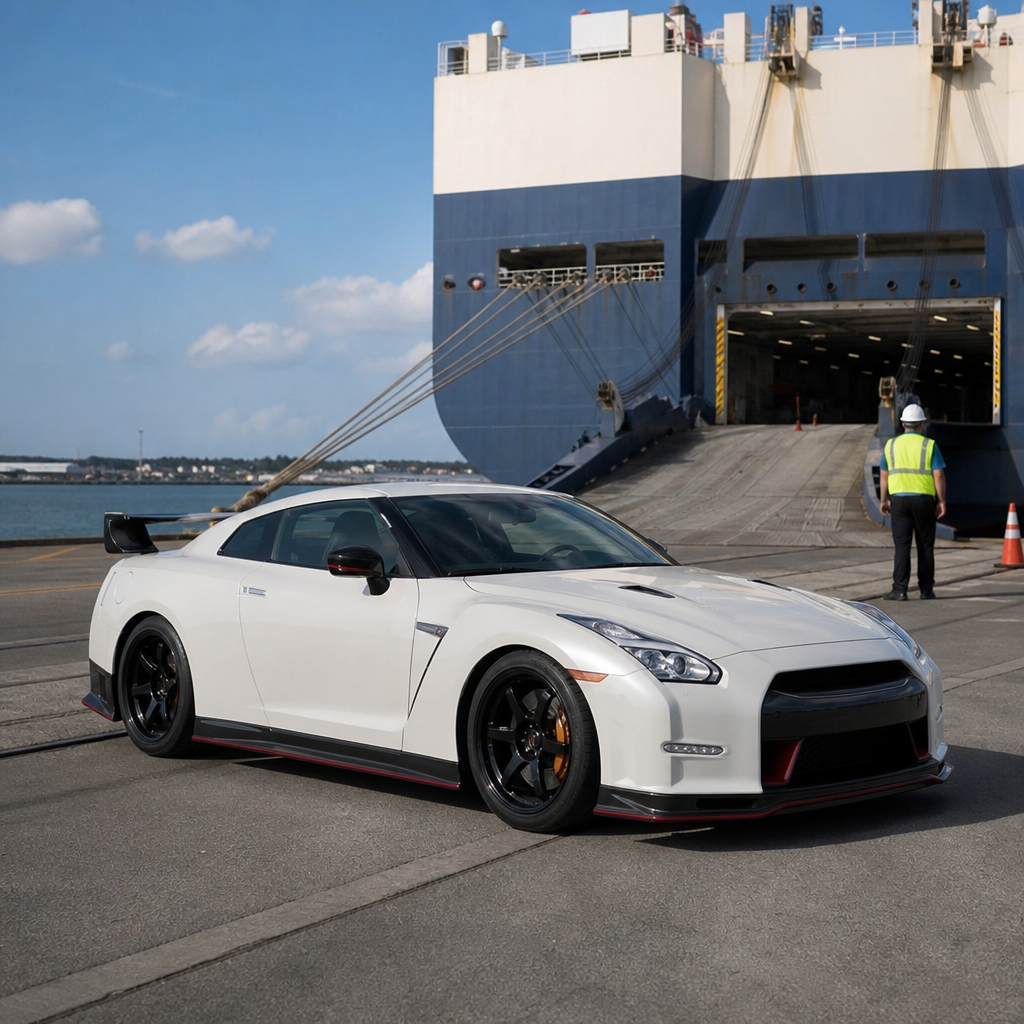
Registering an imported or exotic vehicle in the United States starts with one question: can the vehicle be legally titled and used in your state based on how it entered the country and how it will be used? For most owners, that answer depends on three things: federal import status, title paperwork, and state registration rules. If any one of those is unclear, the process stalls.
An imported vehicle is any car, truck, motorcycle, or specialty vehicle brought into the United States from another country. An exotic vehicle usually refers to a low-volume, high-value, or uncommon vehicle such as a Ferrari, McLaren, Defender, Skyline, Unimog, or rare JDM model, but the registration process is driven by documents, not prestige. The DMV does not care that a car is collectible if the customs entry, VIN record, or title chain is incomplete.
This matters because imported and exotic vehicles often have nonstandard histories. We regularly see vehicles with foreign registrations instead of US titles, customs packets missing key forms, bond-release issues, gray-market modifications, liens that do not show up clearly on state records, and VIN formats that confuse local clerks. Owners also run into emissions and safety misunderstandings, especially when a seller says a vehicle is “federalized” without providing the actual release documents. If you want to register the vehicle in Montana or anywhere else, you need the paper trail to match the vehicle’s legal status exactly.
Start with federal import legality and the core documents
The direct answer is simple: before a state can title an imported vehicle, you usually need proof that US Customs and Border Protection admitted it and that Environmental Protection Agency and Department of Transportation requirements were satisfied or lawfully exempt. The core records are CBP Entry Summary Form 7501, DOT Form HS-7, and EPA Form 3520-1. These forms establish how the vehicle entered, under what exemption or compliance pathway, and whether it can move into the state title system.
For vehicles at least 25 years old, DOT safety standards generally do not apply under the 25-year exemption counted from the date of manufacture; NHTSA explains this clearly. For vehicles at least 21 years old in original configuration, EPA generally provides an emissions-related exemption. Those age-based exemptions are what make many imported classics and Japanese domestic market vehicles registrable today. Primary sources matter here: NHTSA import guidance, EPA import guidance, and CBP entry records carry more weight than a seller’s ad or broker email.
If the vehicle is newer, the path is narrower. It may need to come through a Registered Importer for DOT compliance, and emissions compliance may require an Independent Commercial Importer or manufacturer documentation. A state title office may still ask for additional proof such as the foreign registration, bill of sale, odometer disclosure if applicable, lien release, and a VIN inspection. If the vehicle entered under a temporary, race-use, show-or-display, or nonroad exemption, that can limit registration or road use.
Understand the title chain before you apply
The most common reason registration fails is not the car itself but a broken title chain. A proper chain usually runs from the foreign ownership document or export certificate to the importer, then by bill of sale or reassignment to each subsequent owner, ending with you. If the vehicle already has a US title, that title usually becomes the controlling ownership record. If it does not, the foreign ownership document and customs packet become critical.
State agencies look for continuity. Names should match across the bill of sale, customs entry, and assignment documents. VINs must be identical character for character, including any leading zeros or market-specific formatting. If there is a lien, you need a signed release from the recorded lienholder. If the vehicle was purchased at auction, include the auction invoice and any power-of-attorney paperwork used for transfer. If there was an estate, business dissolution, or dealer reassignment involved, supporting authority documents may also be required.
When records do not line up, solutions depend on the defect. A clerical typo may be cured with a corrected bill of sale or affidavit. A missing intermediate transfer may require going back to the seller. A foreign document without translation may need a certified translation. A vehicle with no valid ownership evidence may move into a retitling or bonded-title analysis, but eligibility is state specific. This is where a detailed file review saves time, because the answer changes based on exactly which document is missing.
How state registration rules change the process
Once federal import status and ownership are documented, the vehicle still has to satisfy the state where it will be titled and registered. States can require VIN inspections, tax documentation, weight slips, emissions tests, safety inspections, insurance, and county-level forms. Montana is often attractive because it does not impose a general vehicle sales tax and offers registration pathways that fit certain collector, specialty, and out-of-state ownership structures, but Montana does not erase other states’ rules about residency, garaging, insurance, taxation, or emissions.
For a usable title file, Montana usually needs an application for title and registration, ownership document, bill of sale, odometer disclosure when required, and proof supporting the VIN and vehicle description. Imported vehicles can trigger closer manual review, especially if the VIN is shorter than 17 characters, the body style is unusual, or the customs paperwork is older and not clearly legible. In those cases, submitting a complete packet the first time matters.
If you plan to use a Montana LLC, treat it as an ownership and registration structure, not a blanket answer to every legal issue. Lenders may restrict titling in an entity name. Insurers may ask where the vehicle is principally garaged. Your home state may examine use tax, registration obligations, or emissions requirements based on where the vehicle is kept and used. Those are not side issues; they are part of compliance planning.
Common scenarios for imported and exotic vehicles
Different vehicle types create different paperwork patterns. The table below shows where owners usually get stuck and what documents typically resolve the issue.
| Scenario | Typical problem | Documents usually needed |
|---|---|---|
| 25-year JDM import | No US title yet, short VIN, customs packet incomplete | CBP 7501, HS-7, EPA 3520-1, foreign export certificate, bill of sale, VIN inspection |
| European exotic already in US | Seller says “federalized” but has no proof | US title if issued, RI compliance records if applicable, emissions documents, lien release |
| Canadian-market vehicle | Assumption that Canada paperwork is enough everywhere | Provincial registration, customs entry, manufacturer compliance labels, state inspection forms |
| Kit, replica, or assembled vehicle | VIN and model-year classification unclear | Component bills of sale, assigned VIN paperwork, build records, inspection reports |
| Vehicle with lost foreign title | No clear ownership root document | Replacement foreign record if available, customs file, affidavits, retitling analysis |
Canadian vehicles deserve special attention. Some are straightforward because they were originally built to closely related North American standards, but owners still need import and ownership records. Kit cars and replicas are a different category entirely. Many states title them by year built, by the appearance of the replica, or as specially constructed vehicles, and that classification affects emissions, inspection, and VIN assignment.
What to do when the paperwork is messy
If your file is incomplete, do not guess and do not submit a patchwork packet hoping a clerk will sort it out. Start by separating the problem into four parts: import legality, ownership proof, vehicle identification, and state-specific use requirements. Then collect primary documents for each part. Order CBP records if needed. Ask the seller for the full customs packet, not screenshots. Verify whether the vehicle already has a US title history. Confirm whether any lien was recorded. Check whether the VIN on the chassis, import forms, and ownership documents matches exactly.
When the title chain is broken, the fix is rarely one-size-fits-all. Some files can be corrected with missing assignments, notarized affidavits, or replacement foreign documents. Others need a bonded-title path or a different retitling strategy, and some cannot be cleaned up without cooperation from a prior owner or importer. The key is to diagnose the defect before money is wasted on taxes, transport, or repairs.
At Legal Tags, this is where we add value. For a vehicle with a usable title path, we can help assemble and submit the registration packet and, when appropriate, form a Montana LLC as part of the ownership structure. For a broken title chain, missing customs support, or unusual record conflict, we start with file review and retitling analysis instead of pretending every exotic car fits a standard DMV checklist.
Best practices before you buy or ship the vehicle
The easiest imported vehicle registration is the one planned before purchase. Ask for the exact document set before sending funds: front and back of the title or foreign registration, customs forms, bill of sale, compliance labels, lien release, and any prior US registration. Run the VIN through NMVTIS-participating providers when applicable, inspect import labels on the door jamb or engine bay, and verify the manufacturing date, not just model year, for exemption purposes. If the seller uses terms like “legal,” “federal,” or “show car only,” ask what document proves that statement.
Also plan for insurance, storage, and state use rules before the car lands. Exotic and imported vehicles often need agreed-value coverage, specialty underwriting, or proof of secure garaging. Some states will not complete registration without insurance bound first. Others require emissions or physical inspection appointments that can delay use.
Imported and exotic vehicle registration is manageable when the vehicle’s federal entry, ownership chain, and state requirements all align. The process becomes difficult when one piece is missing, especially the customs packet or the ownership root document. The practical takeaway is straightforward: verify import legality first, audit the title chain second, and only then choose the registration path that fits how and where the vehicle will actually be used.
If you already have a clean, usable title file, review your registration options and choose the structure that fits the vehicle. If the title chain is broken, the customs paperwork is incomplete, or the record is unusual, start with a file review or retitling analysis before you apply. That is the fastest way to avoid DMV rejection and move the vehicle toward lawful registration.
Frequently Asked Questions
1. Can any imported or exotic vehicle be registered in the United States?
Not automatically. The first issue is whether the vehicle was imported in a way that allows it to be legally titled and registered for road use in the United States. In most cases, registration depends on three layers of compliance working together: federal import status, complete ownership and customs paperwork, and your state’s title and registration rules. If one of those pieces is missing or inconsistent, the process can stop even if the vehicle is physically in the country.
At the federal level, the vehicle generally must have entered the U.S. under an allowed pathway. That may mean it complies with Department of Transportation and Environmental Protection Agency requirements, qualifies for an exemption, or was imported under a limited-use category that may restrict registration. For example, some vehicles are imported for show, display, off-road use, racing, or temporary purposes only. A car in one of those categories may be legal to import but not eligible for standard street registration.
State law then determines whether the vehicle can be titled and plated where you live. Some states are more flexible with gray-market, antique, or low-volume vehicles, while others require very specific documentation before issuing a title. That is why the right first question is not simply “Is the car in the U.S.?” but “How did it enter, what paperwork supports it, and does my state accept that status for registration?” Verifying those points early can save months of delays, rejections, and unexpected costs.
2. What documents do I usually need to title and register an imported vehicle?
Most states will ask for a complete paper trail showing legal importation, ownership, identity of the vehicle, and compliance status. While exact requirements vary, the core documents often include the foreign title or registration, bill of sale, customs entry records, import forms, proof of identity, proof of insurance, and any inspection forms required by your state. If the vehicle has already been titled in another U.S. state, that domestic title may simplify the process, but many DMVs still want to see import-related records if the history is unclear.
Important federal paperwork can include Customs and Border Protection entry documents, DOT Form HS-7, and EPA Form 3520-1. These forms help show under what basis the vehicle entered the country and whether it was imported as fully compliant, exempt, or subject to restrictions. If a Registered Importer or other compliance company modified the vehicle to meet federal standards, keep all supporting records, labels, and certification documents. States often look closely at VIN consistency across every document, so even minor discrepancies in formatting, spelling, or model year can create problems.
It is also common for states to require a VIN verification, odometer disclosure, emissions or safety inspection, and payment of taxes and registration fees. If any original document is in another language, a certified translation may be necessary. The practical rule is simple: bring more documentation than you think you need. Imported and exotic vehicles often trigger manual review, and having a full, organized file gives the DMV examiner what they need to approve the title instead of suspending the application for missing records.
3. How do federal import rules affect state registration?
Federal import rules are often the foundation of the entire registration process. Before a state issues a title or plate, it generally wants proof that the vehicle was legally admitted into the country under a status compatible with road use. If that federal status is uncertain, the state may refuse to process the application, even if the vehicle is valuable, insured, and in excellent condition. In other words, a state registration office is not there to fix a questionable import history after the fact.
The key agencies are typically the National Highway Traffic Safety Administration for safety standards and the Environmental Protection Agency for emissions rules, with Customs and Border Protection documenting entry. A vehicle imported as U.S.-spec and fully compliant usually has the clearest path. A vehicle imported under an exemption may also be registrable, but only if that exemption supports the kind of use the owner wants. By contrast, a vehicle imported for racing, parts, off-road use, or other limited purposes may not qualify for normal state registration no matter how complete the ownership paperwork looks.
This is why buyers should verify federal import status before purchasing an imported or exotic vehicle, especially from a private seller or broker. Ask to see the customs and compliance documents, confirm whether the vehicle was modified to meet U.S. requirements, and make sure the import basis matches your intended use. If the paperwork says one thing and the seller promises another, the DMV will rely on the documents, not the sales pitch. Taking time to confirm federal eligibility upfront is one of the best ways to avoid owning a vehicle that cannot be legally titled for the road.
4. What problems most commonly delay or prevent registration of an imported or exotic car?
The most common problems are incomplete paperwork, inconsistent VIN records, unclear import status, and state-specific title barriers. Many imported vehicles change hands several times before registration is attempted, and with each transaction there is a greater chance that a key document goes missing. A missing customs entry form, unsigned bill of sale, foreign title issue, or incorrect VIN digit can be enough for the DMV to place the file on hold. Exotic vehicles can also draw extra scrutiny because low production numbers, foreign VIN formats, and unusual equipment do not always fit standard DMV systems.
Another major issue is confusion about what legal importation actually means. A vehicle may have entered the country lawfully, but under a category that does not permit normal highway registration. Owners are sometimes surprised to learn that import approval and road registration are not the same thing. For example, a vehicle may be admissible under a narrow exemption yet still fail to qualify for a regular state title if its use is restricted or if supporting compliance records are missing.
Tax, emissions, and inspection issues also cause delays. Some states require additional verification for out-of-country vehicles, including brake and light inspections, smog compliance, theft checks, or bonded title procedures. If the vehicle has been modified, the state may request extra documentation to confirm its identity and legality. The best way to reduce problems is to contact your DMV before filing, ask for the exact imported-vehicle checklist, and review every document for matching names, dates, VINs, and signatures. Registration problems are often less about the car itself and more about gaps in the paper trail.
5. What should I do before buying an imported or exotic vehicle if I want to register it in my state?
Before buying, confirm that the vehicle can be legally titled and registered in your specific state based on how it entered the United States and how you plan to use it. That means reviewing the import paperwork first, not last. Ask the seller for copies of the foreign title or prior registration, bill of sale, customs records, DOT and EPA forms, any compliance or conversion documentation, and the current title if it has already been titled in the U.S. If the seller hesitates or cannot produce those records, treat that as a serious warning sign.
You should also contact your state DMV or title office and describe the vehicle exactly as it exists today: country of origin, model year, VIN format, import category, and whether it has ever had a U.S. title. Ask whether the vehicle is eligible for standard registration, what documents are required, and whether any inspections or special forms apply. If possible, get written guidance or save the published checklist from the agency website. This step is especially important for gray-market vehicles, kit cars, kei vehicles, former race cars, and rare exotics, because rules and interpretations vary widely by state.
Finally, verify the practical details that can affect total cost and timing. Confirm whether you will owe sales tax, use tax, customs-related fees, emissions testing costs, or title bond expenses. Check insurance availability before purchase, since some carriers handle exotic or imported vehicles differently. If the transaction is high-value or the paperwork is complex, it can be smart to involve a title service, customs professional, or attorney familiar with imported vehicles. A careful pre-purchase review is often the difference between enjoying a rare car on the road and owning an expensive vehicle that cannot be legally registered.