
How to Register a Trailer in Montana and Other States
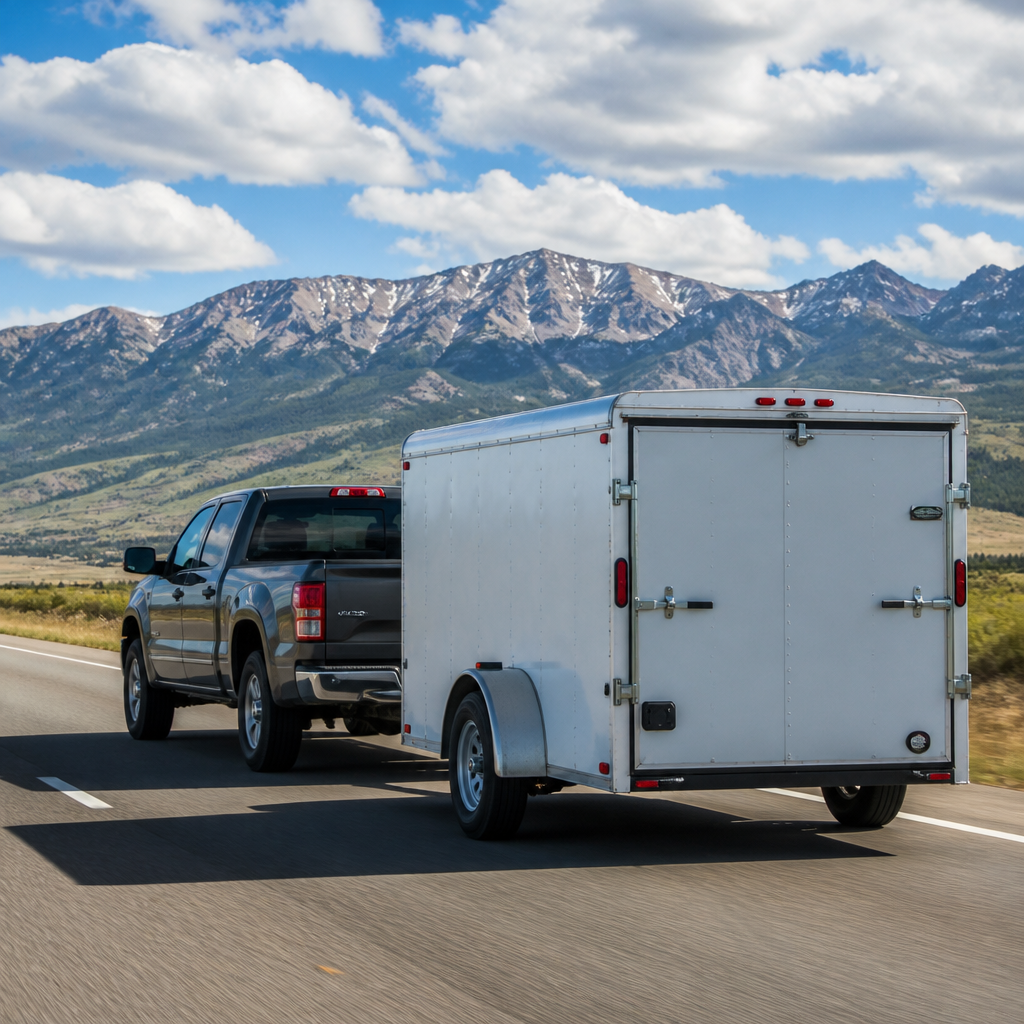
Registering a trailer in Montana and other states starts with the same core question: do you have a usable ownership document, and does your state classify the trailer by weight, use, or type? A trailer can mean a utility trailer, enclosed cargo trailer, boat trailer, horse trailer, travel trailer, camper, or homemade trailer. “Usable title” usually means a properly assigned certificate of title, Manufacturer’s Certificate of Origin, or another state-approved ownership record that matches the vehicle identification number. That matters because trailer registration is less about the hitch and more about proving ownership, confirming identity, and meeting each state’s tax, inspection, and permanent plate rules.
For frustrated owners, trailers create some of the most stubborn DMV problems. People buy an older utility trailer with a handwritten bill of sale, inherit a camper with a released lien that never reached the title office, or move across state lines with a permanent trailer plate that means something different in the new state. I see the same pattern repeatedly: the trailer itself may be roadworthy, but the paperwork chain is broken. The right answer depends on whether you have a clean title path, whether the trailer was ever titled, whether a lender is still listed, and whether your home state requires inspections, weight certificates, VIN verification, or tax payment before issuing plates.
Montana gets special attention because it offers established registration pathways for certain trailers, including permanent registration for qualifying light trailers under Montana law. But Montana is not a universal shortcut. Registration, taxation, garaging, emissions, insurance, lender rules, and residency-related enforcement are controlled by multiple jurisdictions. The direct way to approach this topic is to separate normal registrations from broken-title situations, then match the trailer type to the state process. If you have a usable title, registration is often straightforward. If you have missing paperwork, prior liens, homemade construction, or conflicting records, the problem becomes a retitling project first and a registration project second.
What you need before registering any trailer
The fastest way to register a trailer is to gather the exact ownership and identity documents before filing. In most states, the essential documents are the existing title or MCO, a bill of sale, your application for title and registration, proof of identity, and any tax forms required at titling. If the trailer came from a dealer, the packet may also include odometer or financing disclosures, though many trailers are exempt from odometer requirements. If it is used, check whether the seller signed the title exactly as their name appears on the front. A missing assignment, open reassignment, or unreleased lien can stop the process immediately.
States also classify trailers differently. Some title only trailers above a certain empty weight or gross vehicle weight rating. Some issue registration only for very small utility trailers. Some require a VIN inspection when an out-of-state trailer enters the system. Homemade trailers often need receipts for major parts, a statement of construction, a scale slip, and assignment of a state VIN. Travel trailers and campers can trigger separate tax treatment from simple utility trailers. The National Highway Traffic Safety Administration requires VIN standards for manufacturers, but state motor vehicle agencies decide how ownership evidence is accepted at the counter.
If you are unsure where your record stands, use primary sources first: Montana Motor Vehicle Division, your home-state DMV or department of revenue, and if financing is involved, the lienholder’s title department. Those agencies define the rules that matter. We use those sources when reviewing a file because trailer cases often turn on one technical detail, such as whether the prior state was a title state for that trailer weight or whether the title was held electronically.
How trailer registration works in Montana
Montana generally requires an Application for Certificate of Title for a Motor Vehicle, proof of ownership, and payment of applicable fees and taxes. County treasurer offices process most registrations, while the Montana Motor Vehicle Division sets statewide rules. For many owners, the most important Montana fact is that some light trailers can qualify for permanent registration, which eliminates annual renewal. Montana Code Annotated and the Montana MVD explain the eligibility standards and fee structure. That can make Montana attractive for owners seeking administrative simplicity, especially for trailers used across state lines.
Still, Montana registration is not one-size-fits-all. The exact path changes based on whether the trailer is new or used, whether it already has a title, whether it is a camper or travel trailer, whether a Montana business entity is involved, and where the trailer is actually kept and used. If you have a clear title chain, the job is usually document assembly and correct filing. If the title chain is broken, the file needs deeper review. We handle both situations, including Montana LLC setup when appropriate, but only after reviewing whether the ownership record, taxes, insurance, lender terms, and your home-state rules line up with the intended use.
Where owners get into trouble is assuming a Montana plate resolves every other compliance issue. It does not. Your insurer may ask where the trailer is principally garaged. A lender may restrict titling changes. Your home state may impose use tax, registration obligations, or enforcement if the trailer is primarily used there. For that reason, the best Montana registrations are the ones built on accurate documents and a realistic compliance review, not assumptions.
How other states handle trailer titles and plates
Outside Montana, trailer registration usually depends on weight thresholds, trailer type, and whether the state titles trailers at all. California generally requires registration for trailers operated on public roads, with permanent trailer identification available for many utility trailers through the DMV. Texas distinguishes among trailer types and may require title for certain higher-value or larger trailers through the county tax assessor-collector system. Florida titles many trailers based on weight, while New York has long required registration and often title for travel trailers. Pennsylvania, Ohio, and Washington each maintain their own thresholds, tax rules, and VIN inspection procedures for out-of-state units.
The practical takeaway is simple: never assume the seller’s state paperwork will transfer cleanly into your state. A small trailer that was registration-only in one state may need a title application somewhere else. A title from a state that did not require VIN inspection may still need physical verification in the new state. A permanent plate from one jurisdiction does not create permanent status after relocation. Always check the receiving state’s title manual, fee chart, and trailer classification rules before purchase if possible.
| Situation | Typical documents | What changes the answer |
|---|---|---|
| Used trailer with signed title | Assigned title, bill of sale, application, ID, tax forms | State weight rules, lien status, VIN inspection |
| New trailer from dealer | MCO, dealer paperwork, application, tax documents | State title threshold, financing, temporary permit rules |
| Homemade trailer | Receipts, construction statement, scale slip, VIN forms | Inspection standards, brake requirements, assigned VIN |
| Missing title or broken chain | Existing records, bill of sale, lien release, prior registrations | Retitling options, bonded title availability, prior state law |
Special cases: homemade, abandoned, inherited, and lien-affected trailers
Homemade trailers require the most patience because there is no manufacturer title trail. States commonly ask for receipts for steel, axle assemblies, lights, wheels, and couplers; a statement describing when and how the trailer was built; a certified weight slip; and an inspection before a state-assigned VIN is issued. Brake and lighting compliance may be checked under state equipment laws. If the trailer was assembled from parts of another titled trailer, agencies may scrutinize whether the original VIN should still govern.
Inherited trailers are usually easier if the estate paperwork is complete. You may need letters testamentary, a small-estate affidavit, probate orders, or a death certificate along with the title. The title transfer rules vary sharply by state, especially where survivorship language or trust ownership is involved. If a lien appears on the title, do not assume it is irrelevant because the loan was “paid years ago.” DMV staff usually need a formal lien release from the secured party or evidence that the lienholder no longer exists under state procedure.
Abandoned trailer cases are different again. Many states require notice to the last owner and lienholders, certified mail, storage or towing records, and a court, agency, or bonded process before ownership can be transferred. These are not quick registrations. They are legal title-clearing matters with strict notice rules.
When you need retitling help instead of simple registration
If the title is missing, incorrectly assigned, still in a dead seller’s name, tied to an active lien, or inconsistent with the VIN plate, stop treating the file like a normal DMV visit. A broken title chain rarely fixes itself at the counter. It usually requires record research, correction forms, duplicate title requests, prior-owner cooperation, lien release work, bonded title analysis, or another state-specific cure. The best first step is to identify the last valid ownership document and the state that issued it, because that state’s records often control what can happen next.
That is where a file review becomes valuable. We sort usable-title registrations from retitling cases, identify whether Montana registration is available, and flag when the smarter move is to repair the ownership chain first. For owners with a good title, we can help with registration options. For owners with missing titles, liens, or unusual history, we can review the file for retitling pathways. The goal is not to force every trailer into one state, but to match the paperwork to a lawful, workable registration result.
Registering a trailer in Montana and other states becomes manageable once you split the problem into two parts: ownership proof and state classification. If you have a usable title, bill of sale, and the required inspections or tax forms, most trailer registrations are routine. If you have a homemade build, inheritance, lien issue, missing title, or broken assignment, it is not routine and should be handled as a title-clearing project first. Montana can be a practical option for some trailers, including permanent registration in qualifying cases, but it does not erase home-state, insurance, lender, garaging, or tax obligations.
The most reliable approach is to verify your trailer type, weight class, and ownership record against current primary sources before filing: Montana MVD, your state DMV, county titling office, and any lienholder. That prevents the common mistakes that cause rejections, penalties, or unusable plates. It also helps you decide whether you need straightforward registration service or deeper retitling work.
If you have a usable trailer title and want registration options, start with a registration review. If your title chain is broken, the title is missing, or the trailer record is unusual, request a file review or retitling review with Legal Tags so the paperwork path is identified before you spend more time at the DMV.
Frequently Asked Questions
What documents do I need to register a trailer in Montana or another state?
In most cases, the first thing a motor vehicle office will look for is a usable ownership document. That usually means a properly assigned certificate of title, a Manufacturer’s Certificate of Origin (sometimes called an MCO or MSO), or another state-approved ownership record that clearly matches the trailer’s vehicle identification number, make, and description. If the ownership document is incomplete, signed incorrectly, or does not match the trailer itself, registration can be delayed until the problem is corrected.
Beyond proof of ownership, many states also ask for a bill of sale, an application for title and registration, proof of identity, and payment for taxes and fees. Depending on the trailer type, you may also need a weight slip, VIN inspection, or documentation showing whether the trailer is for personal, commercial, agricultural, or recreational use. For example, a travel trailer or camper may be processed differently from a small utility trailer or a homemade trailer. The exact requirements vary by state, but the underlying rule is the same: the DMV, county treasurer, tax collector, or tag office must be able to confirm who owns the trailer, what it is, and how it is classified before issuing registration.
Does Montana register trailers differently from other states?
Yes, Montana can handle trailer registration differently than many other states, but the basic logic is still familiar. The state looks at ownership documentation and then classifies the trailer by factors such as size, type, and use. Depending on the trailer and the situation, Montana may allow options that are more flexible than what some other states offer, including registration structures that attract owners looking for administrative simplicity. That said, “easier” does not mean “automatic.” The trailer still needs valid ownership records and must fit Montana’s rules for titling and registration.
What often surprises owners is that other states may use a completely different system. Some states title nearly every trailer, while others only title trailers above a certain weight. Some states distinguish between utility trailers, boat trailers, livestock trailers, and recreational trailers, while others focus mostly on empty weight or gross vehicle weight rating. That is why a trailer that was easy to register in one state may require more paperwork in another. If you are comparing Montana to another state, the smart approach is to verify how each state defines trailer categories, when a title is required, whether a VIN inspection applies, and whether residency or business-entity rules affect registration.
How does trailer weight, type, or use affect registration requirements?
Trailer registration rules often turn on three major factors: weight, type, and use. Weight matters because many states set thresholds that determine whether a trailer must be titled, how much the registration fee will be, and whether additional safety or inspection requirements apply. A lightweight utility trailer may have fewer documentation demands than a larger enclosed cargo trailer, equipment trailer, or travel trailer. In some states, crossing a certain empty-weight or gross-weight threshold changes the trailer’s legal category entirely.
Type also matters because not every trailer is treated the same way. A boat trailer may need different supporting information than a horse trailer, and a camper or travel trailer may be treated more like a recreational vehicle than a simple tow-behind utility unit. Homemade trailers can involve another layer of review because there may be no factory-issued title or Manufacturer’s Certificate of Origin. In those situations, the state may ask for receipts for major components, a weight certificate, a VIN assignment, or a special inspection.
Use is the third major issue. A trailer used only for personal hauling may be registered under one fee schedule, while a trailer used for business, farm, rental, or interstate commercial activity may fall under different rules. This is one of the biggest reasons there is no one-size-fits-all answer. Two trailers that look similar can be processed differently if one is used privately and the other supports a commercial operation. When registering any trailer, always be prepared to describe not just what the trailer is, but how you plan to use it.
Can I register a trailer if I do not have a title?
Possibly, but it depends on your state and the kind of ownership proof you do have. If you do not have a traditional title, the next question is whether you have another acceptable ownership document, such as a Manufacturer’s Certificate of Origin, a prior registration from a non-title state, a court order, a bonded title application, or another state-approved substitute record. Some states have processes for trailers that were never titled, especially older or lighter trailers, but those processes typically require extra paperwork and closer review.
The biggest issue is whether the state can confidently connect the trailer to a lawful chain of ownership. If the seller never transferred the title, the title was lost, or the trailer came from a state that does not issue titles for certain trailer classes, the agency may ask for a bill of sale, VIN verification, affidavits, receipts, and in some cases a surety bond. For homemade trailers, the process can be even more involved because the state may need proof of materials, proof that no stolen parts were used, and a state-assigned VIN. The practical takeaway is that missing a title does not always make registration impossible, but it usually makes the process more document-heavy. Before buying a trailer without a title, it is wise to check your state’s exact replacement, bonded title, or non-title registration procedure.
What should I check before buying a used trailer to make registration easier?
Before buying a used trailer, confirm that the ownership paperwork is complete, accurate, and matches the trailer exactly. The VIN on the trailer frame should match the VIN shown on the title, registration, or Manufacturer’s Certificate of Origin. The seller’s name should match the current ownership document, and any signatures, lien releases, reassignment sections, or notarization requirements should be completed according to your state’s rules. If the numbers do not match or the paperwork looks altered, registration can become difficult very quickly.
You should also verify how your state classifies that specific trailer. Ask whether the trailer will be titled, whether weight determines the paperwork required, and whether its intended use changes the registration process. For example, a utility trailer, enclosed cargo trailer, boat trailer, horse trailer, camper, or homemade trailer may all be handled differently. If possible, get a detailed bill of sale showing the purchase price, date, VIN, make, model, and both parties’ information. It is also smart to check whether the trailer has any recorded lien, whether it needs a VIN inspection, and whether back fees or penalties could follow the unit. Spending a few extra minutes on these checks before purchase can prevent costly title corrections and long delays at the registration counter.