
How to Replace a Lost Car Title in California
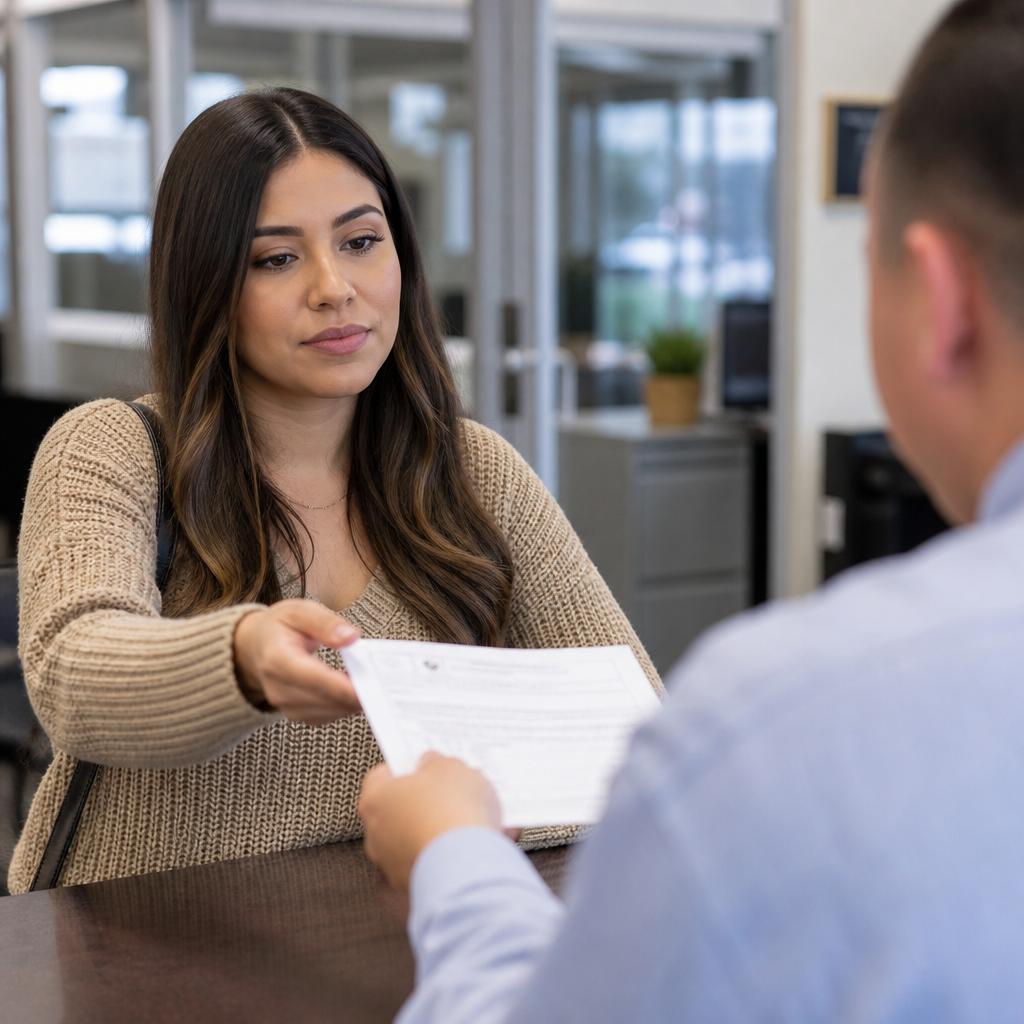
Replacing a lost car title in California starts with identifying exactly what is missing, confirming whether the record is clean, and submitting the right duplicate title paperwork to the California Department of Motor Vehicles. A car title is the state-issued ownership document for a vehicle, and in California it is commonly called a “Certificate of Title” or “pink slip.” If your title is lost, stolen, damaged, or never received after a transfer, you usually need a replacement before you can sell the vehicle, correct a broken paperwork trail, register in another state, or clear lender and ownership issues. This matters because California title records are strict: names must match, lien releases must be documented, odometer disclosures may still matter, and certain errors can turn a simple duplicate request into a retitling problem.
The direct answer is this: most California vehicle owners replace a lost title by completing an Application for Replacement or Transfer of Title, verifying whether a lienholder is still on record, paying the DMV duplicate title fee, and submitting the request to DMV. If ownership has changed or signatures are missing, the process can shift from duplicate title work to transfer or title correction work. In practice, the fastest path depends on whether the vehicle is fully paid off, whether the title is in the current owner’s name, and whether the California DMV record matches the real-world history of the vehicle. That is where many owners get stuck, especially when they are facing old loans, inherited vehicles, out-of-state moves, or an incomplete chain of title.
When a California Lost Title Is Simple and When It Is Not
A straightforward California lost title case has four features: the DMV record shows you as the current owner, there is no active lienholder on the record, the vehicle identification number matches your registration, and there are no unresolved ownership changes. In that situation, a duplicate title request is usually administrative. You complete the replacement title form, provide identifying information, sign correctly, and submit it with the required fee. California DMV publishes the duplicate title process and forms through its official vehicle title transfer and replacement title resources, which should always be your first reference point.
The process becomes more complex when any of the underlying record facts are wrong or incomplete. Common examples include a lender still listed after payoff, a deceased owner, a missing signature from a prior seller, a buyer who never transferred title, an error in the owner’s legal name, or an out-of-state registration effort that exposed an unrepaired California title issue. I see this distinction constantly in title review work: people think they have a lost title problem, but the real issue is that the vehicle was never correctly titled into their name. A duplicate title cannot fix a broken chain of ownership. In those cases, you may need transfer documents, lien releases, probate documents, or a state-specific retitling strategy instead of a basic replacement request.
Documents You May Need Before Requesting a Duplicate Title
California does not use one universal checklist for every lost title case because the required documents change with the vehicle record. Still, most owners should gather the same core file before starting: current registration card, vehicle identification number, plate number, owner’s legal name exactly as shown on DMV records, driver license or business entity information if applicable, and any lien satisfaction paperwork. If there was ever a loan, confirm whether the lienholder has electronically released the lien or whether you need a separate lien release document. Do not assume payoff automatically removed the lien from the title record.
If the vehicle was inherited, owned by a trust, or titled in multiple names, you may also need supporting ownership authority documents. If the prior California title was damaged rather than fully lost, keep the physical document because DMV may require surrender of the mutilated title. If the vehicle changed hands but the transfer was never completed, gather the bill of sale, prior registration, transfer forms, odometer statement if required for the model year and transaction, and any release of liability records. California DMV form requirements can change, so verify the current edition on the DMV website before signing anything. Primary source forms and title instructions are available through California DMV, and lien recording standards are also influenced by lender documentation practices.
| Situation | Main document focus | What usually changes the process |
|---|---|---|
| Title lost, record clean | Replacement title application and fee | Active lien on DMV record |
| Loan paid off | Lien release or electronic lien satisfaction | Lender still listed as legal owner |
| Bought vehicle but never transferred | Transfer documents, seller signatures, bill of sale | Missing prior title chain |
| Inherited vehicle | Death and successor documents | Probate or authority questions |
| Damaged title | Surrender of existing paper title | Name or lien errors on record |
How to Replace a Lost Car Title in California Step by Step
Start by checking the California vehicle record details on your registration and any notices you have from DMV. You need to know whose name is listed as registered owner, whether a legal owner or lienholder appears, and whether your mailing address is current. Then download the current replacement or transfer title form from California DMV or complete the transaction through an approved DMV pathway if available for your case. Fill in the owner names exactly as they appear on the DMV record. Small mismatches, such as a missing middle initial or a married name not yet updated with DMV, can cause delays.
Next, resolve any lien issue before submitting. If a lienholder is still on record, the duplicate title may need to be issued in a way that reflects that legal owner interest, or the lender may need to release it first. Then sign the form in the proper capacity: individual owner, co-owner, trustee, business officer, or authorized representative. Submit the form and fee to DMV according to current state instructions. California DMV also directs owners to use title transfer and replacement resources for follow-up, and many transactions can be tracked or clarified through DMV field offices or other authorized channels listed by DMV. If the title is needed because you plan to sell the car, do not advertise it as “ready to transfer” until the ownership document issue is actually resolved.
If your record is not clean, pause before filing paperwork that does not match the history. For example, if you bought the car years ago and never transferred it, asking for a duplicate title in the seller’s name will not cure the problem. If a lender merged, closed, or changed servicing companies, you may need a formal lien release trail. If the vehicle is now outside California, another state’s motor vehicle agency may require the California title issue to be fixed before they will issue a new title. In those fact patterns, a file review saves time because it identifies the correct legal path before more signatures or fees are wasted.
Common Problems: Liens, Missing Signatures, and Broken Title Chains
The most common title replacement obstacle in California is an unreleased lien. A legal owner on the DMV record can block a clean duplicate title because the state must protect the secured party’s interest until the lien is properly released. If the lender was paid off long ago, contact the lender first and ask how it reports lien satisfactions for California records. If the lender no longer exists, you may need successor institution documentation or archived release records. This is not rare with older vehicles.
Missing seller signatures are the second major problem. California title work depends on continuity. If someone signed as buyer but never became the titled owner, and that person later lost the title, the record may show a prior owner while possession sits with someone else. That is a broken chain of title, not merely a missing document. In these cases, the fix may involve transfer corrections, duplicate title coordination with the titled owner, or another retitling route depending on available records. Primary guidance should come from California DMV title transfer instructions, not from informal forum advice.
A third issue appears when people try to solve a California title defect by moving directly to another state registration or a Montana structure without curing the underlying ownership file. That can work only when the ownership documents are actually usable. No registration strategy overrides title ownership requirements, lender rights, insurance rules, emissions standards, or home-state tax and garaging laws. If you have a usable title, registration planning may be the next step. If you do not, the priority is rebuilding the title chain first.
When Professional Title Help Makes Sense
You can usually handle a clean California duplicate title request yourself through DMV. Professional help becomes valuable when the file includes conflicting owner names, old liens, inherited ownership, business entities, interstate transfers, or paperwork signed out of sequence. That is where document order matters. At Legal Tags, we review whether you have a true replacement title case or a deeper retitling issue, and we handle paperwork only when the documents support a lawful path forward. When appropriate, we also help clients evaluate Montana LLC registration options for vehicles that already have a usable ownership document, but that is separate from fixing a broken California title record.
Use official sources first: California DMV for title forms and procedures, and lender records for lien status. If your paperwork trail is incomplete, get a file review before sending forms that may lock in new mistakes. If you already have a usable title, explore your registration options. If your ownership trail is broken, start with a file review or retitling plan so the next signature actually moves the case forward.
Frequently Asked Questions
What should I do first if I lost my car title in California?
The first step is to confirm exactly what happened to the title and whether you still need a standard duplicate title. In California, the title is the official ownership document issued by the Department of Motor Vehicles, often called the Certificate of Title or pink slip. If it was simply lost, stolen, damaged, or never arrived after a transfer, you will usually begin the replacement process by applying for a duplicate title through the California DMV. Before filing anything, it is smart to review the vehicle record and make sure there are no ownership issues, liens, or unresolved transfer problems that could affect what form you need or who must sign it.
You should also gather the basic vehicle and owner information before starting. That usually includes the vehicle identification number, license plate number, the registered owner’s name and address, and details about any lienholder if one is listed on the record. If the title was damaged, keep the remaining document because the DMV may require you to surrender it. If the title was stolen, you generally still apply for a replacement, but it is wise to keep records of the theft for your own protection. Taking a few minutes to verify the record and organize your documents at the beginning can prevent delays later and help ensure the DMV processes the replacement correctly.
How do I apply for a duplicate car title in California?
In most cases, you apply by completing the California DMV form used for a duplicate or paperless title request and submitting it with any required fees. The exact process can vary depending on whether the title is lost, damaged, stolen, or missing after a transfer, but the goal is the same: to have the DMV issue a replacement ownership document tied to the correct vehicle record. The information on the application needs to match the DMV’s records closely, including the owner’s legal name, vehicle identification number, and other identifying details. If there is more than one owner on record, signatures may be required based on how ownership is listed.
Once the form is complete, it can typically be submitted through the DMV using the methods currently available, such as in person, by mail, or through other authorized channels depending on the situation. If there is an active lien on the vehicle, the process may be different because the lienholder may hold the title or need to release its interest before a clear duplicate can be issued to the owner. If the ownership record is not clean, for example because a transfer was never completed or the name on the record does not match the applicant, the DMV may require additional documents before replacing the title. For that reason, accuracy matters. A small mismatch in names, signatures, or vehicle information can lead to rejection or a request for correction.
Can I replace a lost title if I still have a loan or lien on the vehicle?
Yes, but the presence of a lien can change the process. In California, when a lender or lienholder has a legal interest in the vehicle, the title record may show that interest, and in some cases the lienholder may be the party with rights to the title document. If the loan is still active, you may not be able to obtain a clear title in your name alone until the lien has been satisfied and properly released. Instead, the duplicate title process may require participation from the lienholder, or the replacement may be handled in a way that preserves the lien on the record.
If you believe the lien has already been paid off but still appears on the vehicle record, you may need a lien release before the DMV can issue the correct replacement title. This is one of the most common reasons duplicate title requests become more complicated than expected. It is often helpful to contact the lender first to verify whether the loan is open, whether they hold the title electronically or physically, and what documentation they can provide. The key point is that a lost title does not erase an existing lien. The DMV will issue the replacement based on the actual ownership and lien status shown in its records, so resolving lien issues early can save significant time.
Do I need a replacement title before I can sell or transfer a vehicle in California?
In many situations, yes. Because the title is the main proof of ownership, California generally expects the seller to properly assign title to complete a private-party sale or transfer. If the title is lost, stolen, badly damaged, or never received, that missing document can hold up the transaction because the buyer needs a valid chain of ownership and the DMV needs the correct paperwork to process the transfer. A replacement title is often the cleanest way to move forward, especially when the vehicle record is straightforward and there are no lien or ownership disputes.
That said, some transactions may allow for alternative procedures depending on the facts. For example, if a title was never received after a recent transfer, the seller and buyer may need to determine whether the original transfer was completed correctly or whether additional transfer documents are required instead of, or before, a duplicate title request. If there are mistakes on the record, such as an unsigned title, an omitted owner, or an unresolved lien, the DMV may require corrective steps before the vehicle can legally change hands. In practical terms, replacing the lost title before listing or selling the vehicle is usually the best approach because it reduces buyer concerns and helps avoid delays when the transfer paperwork is submitted.
How long does it take to get a replacement car title in California, and what problems can delay it?
Processing time can vary depending on how the request is submitted, how complete the paperwork is, and whether the vehicle record has any issues that need to be resolved first. A straightforward duplicate title request for a vehicle with a clean record is usually much faster than a request involving ownership discrepancies, missing signatures, or unreleased liens. The DMV must verify that the applicant has the right to receive the replacement title and that the vehicle record supports issuance of a new document. If everything matches and the application is properly completed, the process is generally smoother.
The most common causes of delay are avoidable. These include using the wrong form, leaving sections incomplete, entering a name or address that does not match DMV records, failing to address a lienholder listed on the title record, or applying before a previous transfer has been properly recorded. Problems also arise when people assume a title is merely misplaced, when in fact it was never issued because the ownership change was never finished. If you want to keep the process moving, review the vehicle information carefully, make sure all necessary parties sign where required, and confirm the title record is clean before submitting anything. That kind of preparation can make the difference between a routine replacement and a frustrating back-and-forth with the DMV.