
How to Replace a Lost Car Title in Pennsylvania
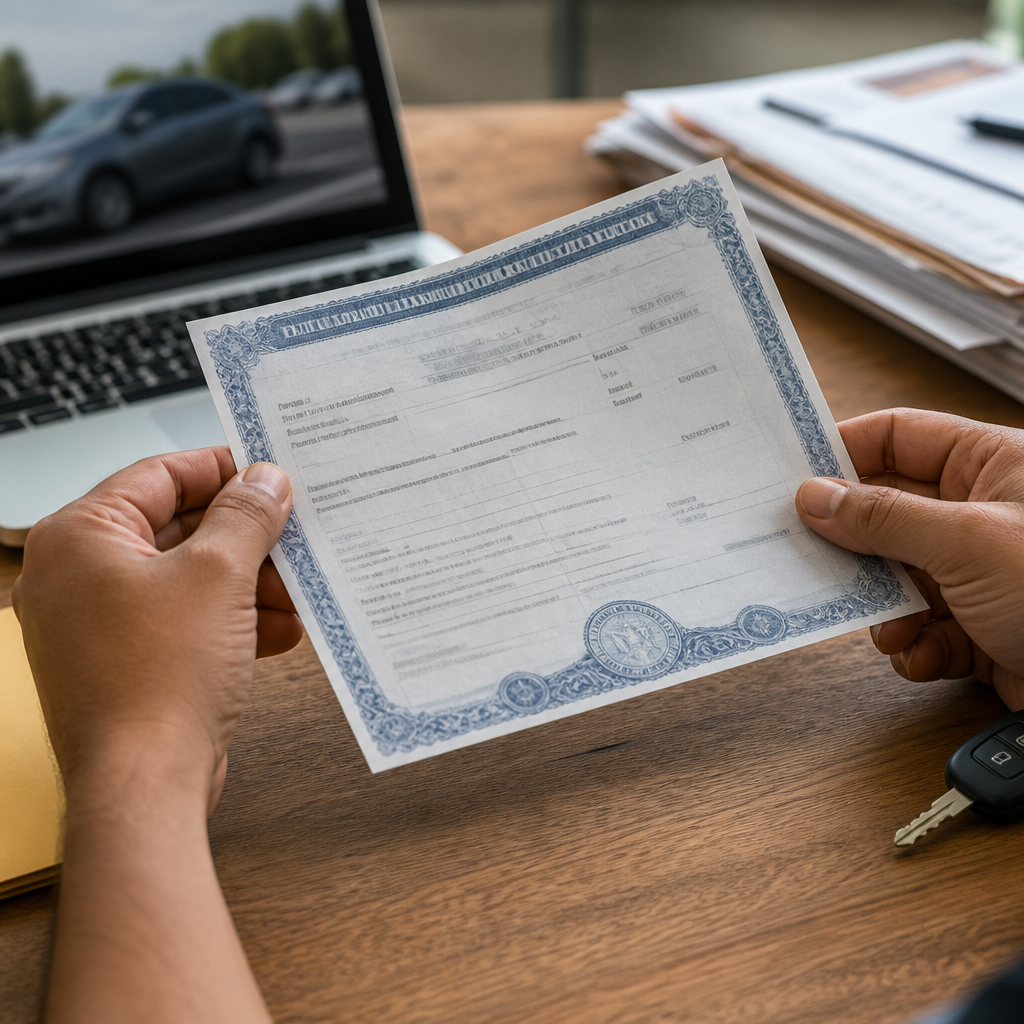
If you lost your car title in Pennsylvania, the direct path is usually to apply for a duplicate certificate of title through PennDOT using Form MV-38O, prove your identity and ownership, and make sure any lien information is correct before the state will issue a replacement. A car title is the legal ownership document for a vehicle, and in Pennsylvania it matters for selling the car, paying off a loan, correcting records, moving a registration issue forward, or fixing a broken paperwork trail before it becomes a bigger problem. We work with vehicle owners every day who discover the title is missing only when they try to transfer ownership, register in another state, refinance, donate, or settle an estate. That is why understanding the exact Pennsylvania process saves time, avoids rejected forms, and helps you decide when a simple duplicate title request is enough and when you need deeper title recovery work.
Pennsylvania titles are issued by the Pennsylvania Department of Transportation, commonly called PennDOT. If the record is straightforward and the titled owner is available, replacing a lost title is usually routine. If the record includes an open lien, a deceased owner, name mismatches, odometer issues, court paperwork, or an out-of-state complication, the process changes fast. This hub explains the core duplicate title process, the documents you may need, common mistakes, special situations, and when to move beyond a standard duplicate request. It also serves as a practical starting point for the broader lost and replacement car titles by state topic, because many title problems look simple on the surface but actually turn on state-specific rules, signatures, and chain-of-ownership requirements.
Pennsylvania Duplicate Title Basics
In Pennsylvania, a duplicate title replaces an original title that was lost, stolen, mutilated, or destroyed. The primary form is PennDOT Form MV-38O, “Application for Duplicate Certificate of Title by Owner.” The application asks for the vehicle identification number, title number if known, owner information, lienholder details if any, and the owner’s certification. Current PennDOT title forms and instructions are published by PennDOT at dmv.pa.gov, and that primary source should always control because forms and fees can change.
The direct answer to the most common question is this: if you are the current titled owner and there is no complication, you complete MV-38O, provide any required identification or notarization, pay the duplicate title fee, and submit it through an authorized PennDOT agent or as otherwise directed by current PennDOT instructions. In practice, owners often need to verify whether a lien is still attached to the record. If a lender remains listed, PennDOT may send the duplicate title according to the lien status on file rather than directly to you. That detail matters because many “lost title” cases are actually unresolved lien-release cases.
Another basic point is timing. A duplicate title does not clean up ownership errors by itself. It only reproduces the title record PennDOT already has. If the PennDOT record is wrong, incomplete, or blocked by a legal issue, the duplicate application may be rejected or may issue a document that still cannot be transferred. That is where file review becomes important.
Documents, Fees, and Submission Steps
Most Pennsylvania lost title cases turn on having the right documents in the right order. Start by confirming the vehicle record under the exact owner name shown on the last title or registration. Gather your Pennsylvania driver license or other acceptable identification, the VIN, your plate number if available, and lien release paperwork if a loan has been paid off. If your mailing address changed, make sure PennDOT has the current address connected to the owner record before expecting delivery of a title document.
| Situation | Main form or document | Why it matters |
|---|---|---|
| Title lost by current owner | PennDOT Form MV-38O | Requests a duplicate using the existing record |
| Loan paid off | Lien release from lender | Clears title delivery and transfer issues |
| Owner name changed | Name-change proof, such as marriage record or court order | Matches identity to PennDOT ownership record |
| Owner deceased | Death certificate and estate documents | Changes who can legally sign |
| Record dispute or broken chain | Prior ownership evidence and supporting file review | May require more than a duplicate title request |
PennDOT charges a duplicate title fee, and the exact amount should be verified on the current fee schedule published by PennDOT before filing. Some applications also involve messenger, notary, or agent fees if you use an authorized service provider. In Pennsylvania, notarization requirements can apply to title transactions, so read the current form carefully instead of assuming a signature alone is enough. Submitting an outdated form, omitting a lien release, or signing incorrectly are three of the most common reasons for delay.
If you need the title in order to sell the car soon, do not wait until you have a buyer standing in the driveway. Duplicate title processing can take time, and if PennDOT finds a discrepancy, the clock resets. The practical move is to start with the primary record and resolve anything unusual before a transfer deadline or move to another state creates pressure.
What Changes the Answer in Special Cases
Not every Pennsylvania lost title case is just a missing piece of paper. The answer changes based on ownership status, lien status, and whether the PennDOT record matches reality. For example, if the owner is deceased, the title cannot simply be reissued because a family member wants to sell the vehicle. PennDOT may require estate papers, short certificate documents, or other authority showing who can sign for the estate. If there are multiple owners joined by “and,” all required parties may need to sign. If the title shows “or,” the signature rules may be different. Small wording differences on the title record matter.
Another common complication is a satisfied loan that still appears open in the system. Many owners have a payment history or account closure letter but not the exact lien release PennDOT expects. In that case, the duplicate title request often stalls until the lender provides a proper release. If the lender merged, changed names, or went out of business, tracking the successor institution becomes the real project. Federal banking records, merger histories, and archived lender contacts sometimes become necessary evidence.
Vehicles coming from or going to another state add another layer. A Pennsylvania duplicate title helps only if Pennsylvania is still the correct title jurisdiction. If the vehicle was already retitled elsewhere, or if a prior state never completed the title transfer, the solution may be outside Pennsylvania’s duplicate process. We often see this when someone inherits a vehicle, moves, lets registration lapse, and later realizes the title chain was never properly finished.
Common Mistakes That Delay Pennsylvania Lost Title Replacement
The biggest mistake is assuming registration proves ownership. Registration shows that a vehicle was registered; the title establishes legal ownership. PennDOT will not replace a title based solely on a registration card if the ownership record has unresolved issues. Another frequent mistake is applying for a duplicate under a nickname, married name, or business variation that does not match the title record. Exact name matching reduces rejections.
People also underestimate VIN errors. One wrong digit can attach your paperwork to the wrong file or produce an automatic rejection. Check the VIN on the dashboard, driver-door label, insurance card, and any prior paperwork. If those records do not match, stop and resolve that before sending forms. Odometer disclosures are another area where owners get tripped up during a later sale. A duplicate title does not erase the need for proper disclosure rules when ownership actually transfers.
There is also a practical mailing issue. If PennDOT mails the duplicate title to an outdated address or to a lienholder on record, owners sometimes think the application failed when it was actually issued elsewhere. Confirm where the title should go under the current record. Finally, do not sign transfer sections, buyer lines, or reassignment areas on old title paperwork unless the transaction actually requires it. Unnecessary writing on title documents can create avoidable defects.
When a Duplicate Title Is Not Enough
A duplicate title is not a cure for a broken title chain. If you never titled the vehicle after buying it, if the signed title was lost before transfer, if the seller is unavailable, or if there is a skipped assignment, you may need title recovery rather than simple replacement. Pennsylvania, like every state, protects the ownership chain for fraud prevention, tax compliance, lien priority, and consumer protection. That means the state may require a corrected assignment, power of attorney, court order, bonded title path if available under applicable law, or other state-specific evidence.
This is where many owners benefit from a structured file review. The key question is not just “How do I replace a lost car title in Pennsylvania?” but “Whose title is missing, and what does the state record currently show?” If the answer is “my title, in my name, with no unresolved lien,” the duplicate process is usually enough. If the answer is “a prior owner’s title,” “an inherited vehicle,” “a title signed incorrectly,” or “a lender problem,” then you are dealing with a title chain issue, not just a replacement issue.
For some readers, broader registration planning also matters. If you already hold a usable title and need help with registration strategy, document handling, or a Montana LLC structure where appropriate, the analysis has to account for your home-state tax, garaging, insurance, lender, residency, and emissions rules. No title service should promise that one structure overrides those obligations. The right approach is document-first and fact-specific.
How This Pennsylvania Guide Fits the Broader Lost Title Hub
Pennsylvania is only one state in the larger lost and replacement car titles landscape, and the differences between states are significant. Some states issue electronic lien and title records differently. Some require notarization more often. Some allow direct owner filing in more situations, while others push more transactions through county offices, tag agencies, or designated agents. That is why a nationwide hub is useful: the question sounds identical in every state, but the legal path is not.
Use this Pennsylvania guide as your first filter. If your title was in your name and the record is clean, follow the duplicate title route through PennDOT using the current form instructions and fee schedule. If the paperwork trail is broken, stop treating it like a simple duplicate and review the full file before more signatures, more bills of sale, or more DMV visits create conflicting evidence. For a usable title, explore your registration options. For a broken title chain, start with a file review or retitling assessment so the right fix is applied at the beginning.
Frequently Asked Questions
How do I replace a lost car title in Pennsylvania?
In Pennsylvania, the usual way to replace a lost car title is to apply for a duplicate certificate of title through the Pennsylvania Department of Transportation, commonly called PennDOT. For most vehicle owners, that means completing Form MV-38O, which is the state’s application for a duplicate title. You will need to provide identifying information about yourself and the vehicle, such as the vehicle identification number, make, model, and current ownership details. The state uses that information to confirm that you are the legal owner and that the record matches what PennDOT has on file.
It is important to review the form carefully before submitting it, especially if the vehicle has or previously had a lien. If lien information is missing, outdated, or incorrect, PennDOT may delay the replacement title until the ownership record is clarified. In many cases, you will also need to pay the required duplicate title fee and submit the application through the proper PennDOT channel, which may include mailing it or working through an authorized agent or title service. Once approved, PennDOT issues a replacement title so you can move forward with selling the vehicle, correcting records, resolving registration issues, or restoring a broken paperwork trail.
What documents and information do I need to get a duplicate Pennsylvania title?
The most important document is Form MV-38O, since that is the application PennDOT typically uses for a duplicate certificate of title. Beyond that, you should be prepared to provide proof of identity and enough vehicle information to allow the state to verify ownership. This generally includes your legal name, current address, vehicle identification number, and other details tied to the title record. If your name has changed since the original title was issued, or if your address does not match PennDOT’s records, you may need supporting documentation to explain the difference and help avoid processing delays.
You should also confirm whether there is an active lien on the vehicle. If the car loan has been paid off but the title record still shows a lienholder, that issue may need to be resolved before a clean replacement title can be issued. If there is still a valid lien, the lender’s interest must be reflected properly in the record. Accuracy matters here because a title is the vehicle’s core ownership document. PennDOT uses it not only to establish who owns the car, but also to confirm whether another party has a legal financial interest in it. Taking a few extra minutes to gather complete and correct information upfront can save a great deal of time later.
Can I get a replacement title in Pennsylvania if there is a lien on the vehicle?
Yes, but the lien information must be handled correctly. A lien means a lender or other secured party has a legal interest in the vehicle, usually because there is still a loan balance owed or because the state record has not yet been updated after payoff. When you apply for a duplicate title, PennDOT will review the vehicle’s title history and current record. If a lien is still active, the replacement title generally cannot ignore that lien. The duplicate title must reflect the legal status of the vehicle’s ownership exactly as PennDOT has it on file.
If your loan has already been paid off, do not assume the record automatically updated itself. It is smart to verify that the lien was properly released before or during the duplicate title process. If it was not, you may need lien release documentation or additional steps to correct the title record. This is one of the most common reasons duplicate title applications get delayed. In practical terms, if you need the replacement title in order to sell the car, transfer ownership, or clean up paperwork, resolving lien issues early is one of the most important things you can do.
Why is a car title so important in Pennsylvania?
A car title is the legal document that proves ownership of the vehicle. In Pennsylvania, it plays a central role in many transactions and record corrections. If you want to sell your car, transfer it to a family member, refinance it, show that a loan has been paid off, or fix ownership paperwork that has gone missing or become inconsistent, the title is usually the document that makes that possible. Without it, even straightforward tasks can become more complicated because there is no current paper record in your possession showing your legal right to the vehicle.
The title also matters when there are registration problems, clerical errors, or interruptions in the ownership trail. For example, if you are trying to resolve an issue with PennDOT records, complete a sale, or prove that the vehicle belongs to you after paperwork was lost, the title is often the key piece of evidence. That is why replacing a lost title should be treated as more than a routine administrative task. It is really about restoring your ability to control, transfer, and document ownership of the vehicle without unnecessary legal or bureaucratic obstacles.
What should I do if my Pennsylvania title record has errors or missing ownership information?
If you notice that your title record contains incorrect information, such as a name problem, address mismatch, ownership inconsistency, or lien issue, it is best to address that before assuming a simple duplicate title request will fix everything. A duplicate title application is intended to replace a lost title, not necessarily to correct every underlying record problem automatically. PennDOT still has to verify identity and ownership before issuing the replacement, so any discrepancy between your application and the existing title record can trigger delays, requests for more documentation, or rejection until the record is corrected.
Start by comparing your vehicle information and ownership details carefully against what PennDOT is likely to have on file. Make sure names are spelled correctly, the VIN is accurate, and lien details are current. If there has been a life event such as a name change, loan payoff, transfer that was never fully recorded, or another break in the paperwork trail, gather supporting documents before submitting anything. The goal is to show a clean chain connecting you to the vehicle’s legal ownership. Taking the time to clear up errors at the record level can make the duplicate title process much smoother and help prevent bigger issues later when you try to sell, register, or otherwise use the title.