How to Register and Title a Food Truck in Montana
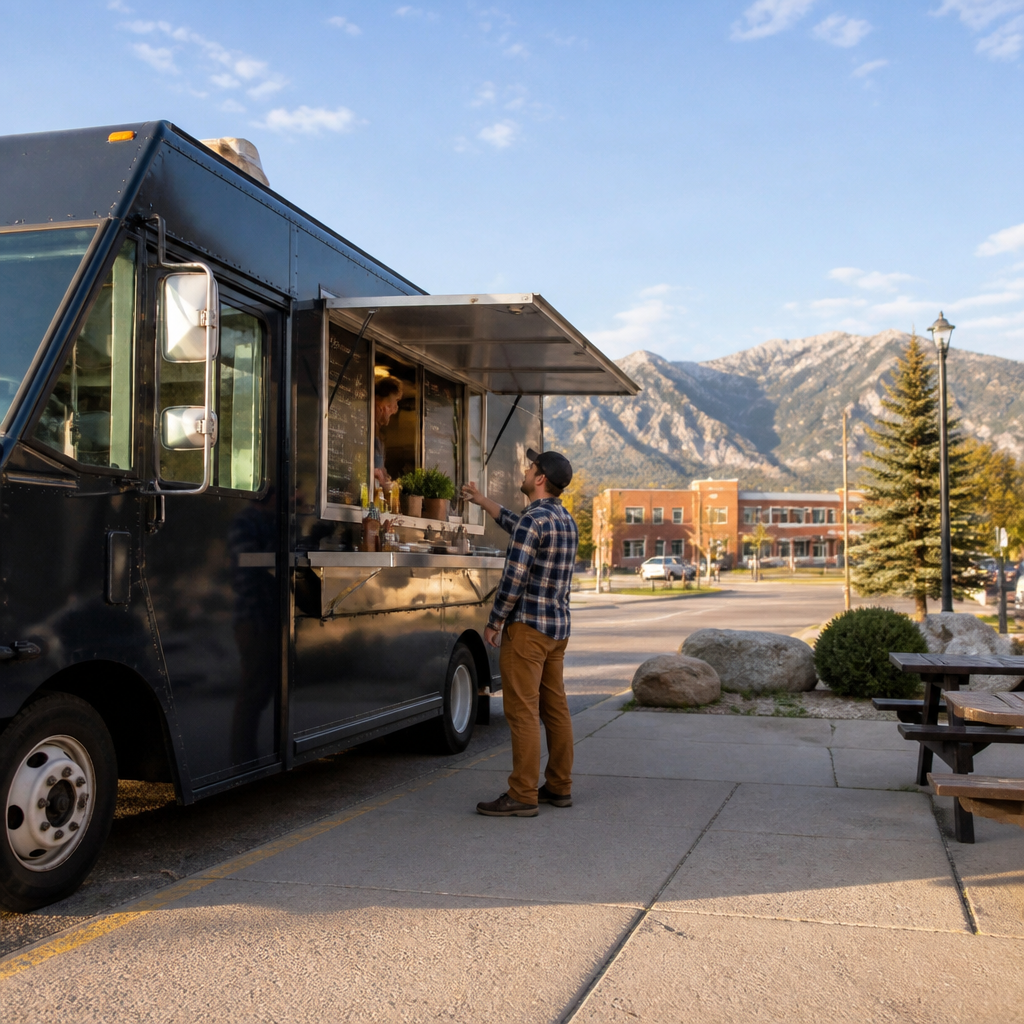
Registering and titling a food truck in Montana starts with one question: do you have a clean ownership document chain, or do you need to fix title problems before the state will issue plates. A food truck is usually titled and registered as a motor vehicle through the Montana Motor Vehicle Division, while the food service side is regulated separately through state and local health authorities. That split matters because many owners focus on kitchen permits first, then discover the truck itself has title defects, lien issues, weight classification problems, or out-of-state paperwork gaps that delay opening.
In plain terms, titling proves ownership, registration puts the vehicle legally on the road, and permitting covers your business operations. If your truck is a step van, van conversion, box truck, trailer, or commercially built kitchen vehicle, Montana may still process it, but the exact documents change based on model year, prior state title status, declared weight, lienholder information, and whether the vehicle is owned personally, by a business, or by a Montana LLC. For owners comparing options under the broader register any vehicle type in Montana category, food trucks fall into the misc group because they combine commercial vehicle records, equipment modifications, and business-use compliance.
This topic matters because title mistakes are expensive. A missing reassignment, unsigned lien release, incomplete VIN inspection, or mismatched odometer disclosure can stall registration, interrupt insurance binding, and keep a ready-to-operate truck parked. We review these files every day, and the pattern is consistent: the fastest path is getting the ownership documents right before submitting anything. Montana offers practical registration paths for many vehicle owners, including complex retitling situations and Montana LLC ownership where appropriate, but no structure eliminates your responsibility to follow home-state tax, garaging, insurance, lender, safety, emissions, or local operating rules.
What documents you need to title and register a food truck in Montana
The direct answer is that most applicants need the current title or equivalent ownership document, a bill of sale if required, an application for certificate of title, proof of any lien satisfaction, registration paperwork, and a VIN inspection when the vehicle came from another jurisdiction or the record requires verification. Montana counties process registrations, and the MVD sets the underlying rules. Primary guidance starts with the Montana Department of Justice Motor Vehicle Division and county treasurer offices. If the truck was previously titled in another state, the out-of-state title must generally be assigned correctly to the new owner, with all releases and reassignment sections completed exactly as required.
Food trucks often arrive with unusual histories. A former delivery truck may have been converted after commercial fleet use. A step van may have an old lien still showing on the title. A trailer-based kitchen may need different handling than a self-propelled truck because the towing vehicle and the food unit are separate records. If the truck was purchased from a dealer, you may have a reassignment packet instead of a signed title. If it came from an auction, salvage history, brand disclosures, and repair documentation can matter. If the VIN plate, body style, or weight class does not match prior records, the file may need closer review before submission.
For business ownership, the named owner on the title application must match the supporting entity documents. If a Montana LLC is used, formation documents, an EIN-related setup path, and signature authority must align with the vehicle file. That can be helpful for some owners, especially those buying expensive specialty vehicles, but it is not a universal answer. Lender restrictions, insurance underwriting, and home-state enforcement still apply.
How the Montana process works from ownership review to plates
The cleanest workflow is simple: verify ownership chain, confirm the truck’s VIN and classification, prepare title and registration forms, address liens, submit through the proper county channel, then wait for title issuance and plate processing. In practice, food trucks require more review because modifications can blur the line between personal, commercial, and specialty use. Montana generally cares about the vehicle record first: who owns it, whether taxes and fees are paid as applicable, whether there are brands or liens, and whether the identification details are consistent.
When we review a file, we start with the front and back of the title, every bill of sale, lien paperwork, photos of the VIN, and any prior registration cards. That identifies whether the title chain is usable. For example, if the seller signed as an individual but the title shows an LLC, the transfer is defective until the correct signing party is documented. If the truck was bought from a builder who never titled it into the company name, ownership proof may need to be rebuilt before Montana can issue a new title. This is where many self-filed applications fail: owners submit forms before resolving the chain break.
| Issue | What it means | What usually fixes it |
|---|---|---|
| Missing title | No negotiable ownership document is available | Retitling review, duplicate title route, or record reconstruction |
| Open lien | Lender still appears on the record | Signed lien release or updated title from prior state |
| VIN mismatch | Documents do not match the vehicle exactly | Inspection and correction before filing |
| Improper reassignment | Seller transfer section is incomplete or invalid | Corrected reassignment or supporting dealer documents |
Once the ownership file is clean, registration is usually straightforward. Montana may assess fees based on vehicle type, age, weight, and county processing rules. Commercial use can change the form set and fee treatment. Current state references include the Montana DOJ MVD title and registration materials and county treasurer instructions.
Food truck-specific issues owners miss
A food truck is more than a truck with a grill in the back, and that is exactly why paperwork gets messy. First, the truck may have been materially modified. Added generators, propane systems, counters, service windows, and suppression equipment do not usually change the VIN, but they can affect declared weight, insurance classification, and inspection requirements. Second, some trucks operate seasonally and spend part of the year in storage or travel across state lines to events. That raises practical issues for registration address, garaging, apportioned use questions, and insurance disclosures. Third, local health department approval does not cure bad title paperwork. You need both.
Owners also confuse business licensing with vehicle ownership. Your county health permit, employer registration, or sales tax account in another state does not replace a valid title. The reverse is also true: a Montana title does not authorize food service operations where you actually vend. If you are buying an already-built truck, ask for build records, equipment lists, and prior inspection documents in addition to the title. Those records help with underwriting, local permit applications, and disputes about whether installed equipment belongs with the vehicle sale.
Another overlooked issue is lender consent. If you financed the truck, your loan documents may restrict titling structure, registration location, or business use. Do not assume you can switch ownership into an LLC after closing without approval. Review the security agreement first.
When a Montana LLC helps and when it does not
A Montana LLC can be a useful ownership structure for some food truck buyers, especially when the vehicle is expensive, the owner wants administrative separation between personal and vehicle assets, or the registration plan fits a broader business strategy. The LLC can hold title, and we can handle formation and vehicle paperwork together when the facts support that route. However, the structure does not erase nexus, tax, garaging, insurance, or operating obligations in the state where the truck is actually used. If your home state requires local registration based on residency or principal garaging, that issue still exists.
Use the LLC because it fits your ownership and registration facts, not because someone online described it as a universal workaround. The Federal Trade Commission has warned generally about deceptive business-opportunity claims, and state agencies increasingly compare insurance, address, and use records. For food trucks, the practical question is whether your operational footprint, lender terms, and insurer will support the ownership plan. If they will, the LLC may be efficient. If they will not, forcing the structure can create more problems than it solves.
How to handle title problems before you try to register
If your food truck has a broken title chain, stop and fix that first. Common examples include a lost title, a seller who never registered the truck, an unreleased lien, a deceased prior owner, a signed title with buyer lines left blank, or a vehicle bought from a defunct business. Each scenario has a different remedy. Some can be solved with a duplicate title request from the prior state. Others need affidavits, probate-related documents, dealer records, or a full retitling strategy. The key is that Montana cannot issue good title from bad inputs.
This is where handled-for-you review matters. We look at the exact documents you have, identify the break, and determine whether the file is ready for standard registration or needs retitling work first. When terms are met, our money-back guarantee applies to qualifying services, but no one can honestly promise a legal outcome without seeing the record. The right move depends on what is signed, what state issued the prior title, whether the lien is active, and whether the VIN and owner names match everywhere.
Use registration options if you already have a usable title. Use a file review or retitling service if the title chain is broken. Start with the documents you have, and we will tell you the next step clearly.
Frequently Asked Questions
Do I register and title a food truck through Montana health authorities or through the Motor Vehicle Division?
A food truck in Montana is usually handled through two separate systems, and understanding that distinction early can save a lot of time. The truck itself is generally titled and registered as a motor vehicle through the Montana Motor Vehicle Division. That process covers ownership, title transfer, registration, plates, and other vehicle-related requirements. Separately, the food service operation inside the truck is typically regulated through state and local health authorities, which may oversee licensing, inspections, sanitation, commissary requirements, and food handling rules.
This split is important because many new owners focus first on kitchen build-out, menu planning, and health permits, only to find out later that the vehicle side has unresolved title issues. If the ownership documents are incomplete, inconsistent, or missing, Montana may not be able to issue a clean title or registration until those problems are resolved. In practical terms, you should treat the truck as both a commercial food business and a titled motor vehicle, with each side needing its own approvals. Before investing heavily in branding or equipment, make sure the vehicle can actually be legally transferred, titled, and plated in your name.
What documents do I need to title and register a food truck in Montana?
The exact paperwork can vary depending on whether the food truck is new, used, purchased from a private seller, bought from a dealer, brought in from another state, or rebuilt from another type of vehicle. In general, Montana will want proof of ownership, such as the current signed title or another acceptable ownership document, along with any required title application forms, odometer disclosures if applicable, lien information, and payment for title and registration fees. If there is a loan on the vehicle, the lienholder details must usually be correctly recorded. If the truck came from out of state, additional documentation may be needed to show the prior registration and title history.
For food truck buyers, the most important issue is whether the ownership chain is complete and clean. That means the seller named on the title should match the person or business actually selling the truck, all assignments should be properly completed, and there should not be skipped transfers or unsigned sections. If the truck has been modified, rebranded, or converted from another vehicle type, make sure the vehicle identification number and description are still consistent across documents. Because the truck is operating as a motor vehicle first, title paperwork errors can delay everything else. It is often smart to review the documents before purchase rather than waiting until after the sale, especially if the truck has changed hands multiple times.
What happens if there is a title problem with the food truck I bought?
If there is a title problem, Montana may refuse to issue title or registration until the issue is corrected. Common problems include a missing title, an improperly signed title, a seller who never titled the vehicle in their own name, conflicting owner names, open liens, or a break in the ownership chain. For a food truck, these issues can be especially disruptive because you may already be paying for insurance, storage, equipment installation, or commissary access while the truck is still not legally ready for the road.
The solution depends on the exact defect. Sometimes the seller must obtain a duplicate title or correct a signing error. In other cases, lien releases must be obtained, supporting records must be gathered, or additional state procedures may be required to establish ownership. If the truck came from another state or has gone through multiple informal sales, the fix can become more complicated. The key point is that title defects are not just paperwork annoyances; they can stop registration entirely. That is why buyers should verify ownership documents before closing the deal. If a title issue surfaces after purchase, address it immediately rather than assuming it will work itself out during registration.
Can I get Montana plates for a food truck before finishing my health permits and kitchen approvals?
In many cases, the vehicle side and the food service side move on separate tracks, so it may be possible to complete titling and registration for the truck through the Montana Motor Vehicle Division even while food operation approvals are still in progress. Plates, registration, and title generally relate to the truck as a vehicle, while health permits relate to preparing and serving food. That means a truck can be legally titled and registered as a motor vehicle even though the food business side is still being reviewed by the proper agencies.
That said, registration does not authorize you to start selling food. You may be able to drive, insure, or transport the vehicle once it is properly titled and plated, but operating as a food vendor usually requires separate approvals. This is where many owners get tripped up. They assume that because the truck is road legal, the business is fully cleared to operate, or they assume that because the kitchen passed inspection, the vehicle paperwork can wait. In reality, both sides matter. The safest approach is to work on them in parallel: confirm title and registration eligibility early while also coordinating with the relevant health authorities so the truck is road legal and business compliant at the same time.
What should I check before buying a used food truck in Montana to avoid registration delays?
Before buying a used food truck, start by confirming that the seller has the legal right to transfer ownership. Ask to see the current title and verify that the owner name matches the seller’s identification or business records. Review the title carefully for missing signatures, altered information, unreleased liens, or signs that the vehicle may have been sold previously without being properly retitled. Also confirm that the vehicle identification number on the truck matches the number on the title and any supporting paperwork. If the truck has been brought in from another state, ask for the out-of-state title, registration history, and any import or transfer documentation needed to support a Montana application.
You should also look beyond the title itself. A food truck often has a complicated history because it may have started as a step van, delivery truck, or commercial vehicle before being converted. Ask whether the truck has been rebuilt, reconstructed, or significantly modified, and whether any of those changes affected how it is described in official records. If there is a financing balance, make sure the lien release process is clear before money changes hands. It is also wise to confirm that the truck can be insured and that there are no unresolved issues that would prevent road use. Taking time to verify the ownership chain before purchase is one of the best ways to avoid expensive registration delays after the sale.