Salvage, Rebuilt, and Branded Titles Explained
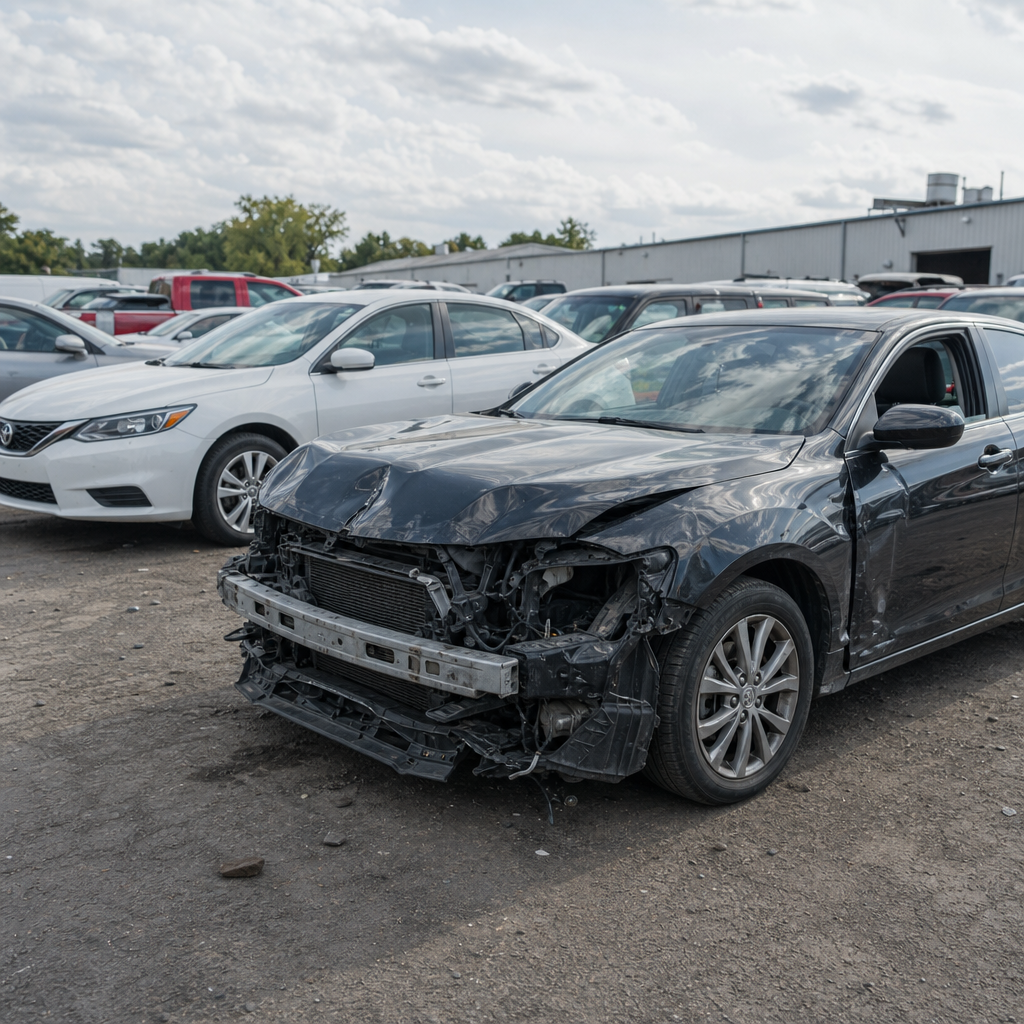
Salvage, rebuilt, and branded titles describe vehicles with important history flags that affect value, insurability, financing, registration, and resale. A salvage title usually means an insurer declared the vehicle a total loss. A rebuilt title means that vehicle was repaired and passed required inspections. A branded title is the broader category covering salvage, rebuilt, flood, lemon, odometer, and other permanent warnings.
If you own, buy, inherit, or need to retitle a vehicle with a history problem, understanding these terms matters because title branding follows the vehicle long after the damage is fixed. I have worked through these cases with owners of cars, motorcycles, trailers, RVs, and classics, and the biggest mistake is assuming all title brands mean the same thing. They do not. States use different labels, different inspection rules, and different paperwork standards, but the practical questions stay the same: can you register it, can you insure it, and what will it be worth later?
This hub explains the core definitions, the most common title brands, how salvage becomes rebuilt, and where buyers and owners get stuck. It also points to the retitling issues that often overlap, including missing titles, lien releases, deceased-owner transfers, bonded title cases, and out-of-state registrations. Reviewed by Legal Tags registration specialists, this guide gives the plain answers the DMV never bothers to give you. Rules and forms change often, so always verify current fees, inspection requirements, and form numbers with the relevant state motor vehicle agency before filing.
What a branded title means in plain English
A branded title is any title carrying a permanent notation about the vehicle’s condition, legal status, or ownership history. The exact brand may come from an insurance total loss decision, a flood event, a theft recovery, odometer fraud finding, emissions issue, or manufacturer buyback. AAMVA and state titling systems standardize many of these records, and NMVTIS helps states, junk yards, and insurers share title information to reduce fraud and title washing.
For owners, the practical effect is simple: a brand changes the vehicle’s paper identity. Even if the car looks perfect after repair, the title history still matters to future buyers, lenders, and insurers. Some brands are mainly economic, such as salvage after collision damage. Others signal heightened risk, such as flood damage, where corrosion and electrical problems can appear months later. That is why a branded title usually lowers market value compared with a clean title, sometimes by 20 to 40 percent depending on the vehicle, the brand, repair quality, and local market demand.
Many people use “salvage title” as a catchall phrase, but that is inaccurate. Salvage is one type of brand. Rebuilt is another. “Branded title” is the umbrella term. If you are comparing listings, ask for the exact title status on the current state title, not the seller’s summary.
Salvage title: what it is and how vehicles get one
A salvage title generally means the vehicle was declared a total loss by an insurer or, in some states, by the owner after major damage. Total loss does not always mean destroyed beyond repair. It usually means repair costs plus related expenses reached a threshold where fixing it no longer made economic sense. That threshold varies by state and insurer. Some states use a percentage of actual cash value, such as 75 or 80 percent, while others rely on total loss formulas.
Common reasons for a salvage title include collision damage, flood exposure, hail, fire, theft recovery, vandalism, and sometimes stripped parts. Late-model luxury cars often reach total loss status faster because advanced driver-assistance systems, airbags, sensors, and specialty parts are expensive to replace and recalibrate. I have seen vehicles with modest-looking front-end damage branded salvage because radar modules, active headlights, and structural parts pushed estimates past value quickly.
A salvage vehicle is usually not road-legal until repaired and reinspected under state rules. In many states, you cannot simply insure and register a salvage title car for regular use. You must first complete the rebuild process and obtain the next title status, often called rebuilt, reconstructed, or prior salvage.
Rebuilt title: when a salvage vehicle returns to the road
A rebuilt title means a vehicle previously branded salvage was repaired and then passed the state’s required inspection or examination process. The exact wording differs by jurisdiction. You may see “rebuilt salvage,” “reconstructed,” “revived salvage,” or similar language. The key point is that the salvage history does not disappear. The state is not certifying that the vehicle is as good as new. It is certifying that it met the state’s threshold to be titled and, usually, registered again.
That distinction matters. A rebuilt inspection often focuses on identity, stolen parts prevention, receipts, and basic roadworthiness, not on guaranteeing long-term quality of every repair. Some states require VIN verification, component-part receipts, brake and light inspection, photographs, or anti-theft examinations. Others involve stricter structural review. Buyers should still get an independent pre-purchase inspection from a qualified body shop or brand specialist, especially for flood or airbag-related losses.
For many owners, a rebuilt title is the difference between a parts car and a usable vehicle. It can also be the point where paperwork becomes painful. Missing receipts, unsigned title assignments, unresolved liens, and state-to-state brand differences are common reasons applications stall.
Other common brands owners need to recognize
Not every branded title started as salvage, and not every brand has the same risk profile. The details affect registration strategy and resale expectations.
| Brand | What it usually means | Main issue for buyer or owner |
|---|---|---|
| Flood | Vehicle was damaged by water and reported accordingly | Hidden corrosion, mold, electrical failure, insurance hesitation |
| Theft recovery | Vehicle was stolen and later recovered | Missing parts, damage during theft, documentation gaps |
| Lemon or buyback | Manufacturer repurchased under consumer protection laws | Stigma, warranty history, resale discount |
| Odometer | Mileage is not actual, exceeds limits, or was tampered with | Valuation uncertainty and fraud concerns |
| Junk or nonrepairable | Vehicle cannot be retitled for road use in that state | Parts only in most cases, no normal registration |
The most serious distinction is between repairable and nonrepairable branding. A salvage vehicle may come back as rebuilt. A junk, certificate of destruction, or nonrepairable vehicle often cannot. Always read the exact face of the title and the state statute behind that label.
How branding affects registration, insurance, financing, and value
Registration rules vary sharply by state. Some states make rebuilt registration straightforward after inspection. Others require multiple forms, law-enforcement verification, emissions compliance, and stricter chain-of-ownership review. If the vehicle crossed state lines, the new state may translate the old brand differently. That is where retitling expertise matters. A vehicle titled as rebuilt in one state may still trigger extra scrutiny elsewhere, especially if records in NMVTIS show inconsistent branding history.
Insurance is another hurdle. Liability coverage is often available on rebuilt vehicles, but comprehensive and collision can be harder to obtain or may come with lower payouts because the insurer values the vehicle below clean-title comparables. Financing is also more limited. Many mainstream lenders avoid salvage and rebuilt units entirely, so buyers rely on cash, credit unions, or specialty lenders.
Value is where expectations need to be realistic. A well-repaired rebuilt-title truck with complete documentation may sell quickly. A flood-branded luxury sedan with incomplete receipts may sit for months. Documentation drives confidence. Keep repair invoices, parts receipts, before-and-after photos, inspection reports, and alignment or calibration records. Those papers often make the difference between a hard no and a serious buyer.
Retitling problems that commonly overlap with branded titles
Branded title cases rarely involve just one issue. The vehicle may also have a missing title, an open lien from a lender that no longer exists, an unsigned reassignment, or an inherited ownership problem. If someone died and the vehicle is not in your name, you are not getting a title without solving the probate or small-estate transfer issue first. Legal Tags handles these combined problems because a branded vehicle with broken paperwork can overwhelm even experienced owners.
Another frequent issue is title washing, where a seller moves a vehicle through another state hoping a brand will disappear. NMVTIS was built to combat exactly that. A clean paper title does not always mean clean history, so buyers should compare the title, vehicle history records, inspection stickers, and repair receipts for consistency. NICB VIN checks and state motor vehicle records can also help flag theft or loss history.
For older vehicles, trailers, and barn finds, a bonded title may be the right path when ownership records are incomplete. For imported vehicles, NHTSA import rules, EPA compliance, and the 25-year rule can intersect with retitling and branding in complicated ways. For tax-sensitive buyers of high-value RVs or exotics, the Montana LLC method may address registration and sales-tax concerns, but it does not erase prior title brands. A Montana registration is not a magic reset button. Honest compliance matters.
How to buy or fix a branded title vehicle safely
Start with the VIN and the title in hand. Confirm the exact brand, the owner name, any lienholder, and whether the vehicle is repairable. Then review NMVTIS-supported history, inspection requirements in your state, and insurance availability before money changes hands. If it is already rebuilt, get an independent inspection. If it is still salvage, price in parts, labor, supplements, calibration, glass, frame work, and the real delay of inspections and paperwork.
For owners rebuilding a vehicle, save every receipt and photograph the work from disassembly through final repair. Use licensed shops when possible. If airbags deployed, document replacement with correct components and module programming. If the vehicle was flooded, be especially cautious. Flood cars can be the most deceptive branded-title purchases because cosmetic cleanup can hide major electrical damage.
When the paperwork is messy, get help early. Retitling specialists can often resolve issues that stall ordinary DMV counter service, including lien releases, title corrections, inherited transfers, bonded title strategy, and multistate registration questions. That is how you skip the DMV line without guessing.
Salvage, rebuilt, and branded titles are not all bad, and they are not all equal. A salvage title means major loss history. A rebuilt title means the vehicle returned to legal road use after inspection. A branded title is the broader warning system covering many kinds of risk. The right response is not fear. It is careful verification, realistic pricing, and complete paperwork.
If you are buying, selling, inheriting, or retitling a branded vehicle, focus on three things: the exact title status, the repair and ownership documents, and the registration rules in the state where you need to title it now. That approach prevents expensive surprises and helps you make a decision based on facts instead of seller shortcuts or internet myths.
Need help with a salvage, rebuilt, or other branded title case? Talk to Legal Tags for plain answers, difficult retitling support, and guidance that helps you move forward legally and confidently.
Frequently Asked Questions
What is the difference between a salvage title, a rebuilt title, and a branded title?
A salvage title, a rebuilt title, and a branded title are related, but they do not mean the same thing. A salvage title usually means an insurance company declared the vehicle a total loss after damage, theft recovery, vandalism, fire, flood, or another major event. “Total loss” does not always mean the vehicle is destroyed beyond repair. In many cases, it means the estimated repair cost plus related expenses reached a percentage of the vehicle’s value set by state law or the insurer’s internal standards.
A rebuilt title generally means that a vehicle previously branded as salvage was repaired and then passed the inspections required by the state to return to the road. This status tells buyers and agencies that the vehicle was once considered a total loss, but has since been restored enough to qualify for registration again. It does not erase the vehicle’s history. The prior salvage event remains important for valuation, insurance, financing, and resale.
A branded title is the broader umbrella term. It refers to any title carrying a permanent warning or designation about the vehicle’s history. Common brands include salvage, rebuilt, flood, lemon buyback, odometer discrepancy, hail damage, prior taxi or police use, and other state-specific labels. Because title branding rules vary by state, the same vehicle can be described somewhat differently depending on where it was titled. That is why it is smart to review the actual title document, the vehicle history report, inspection records, repair receipts, and state motor vehicle rules rather than relying only on a seller’s description.
Can you insure and finance a vehicle with a salvage or rebuilt title?
Yes, but it is usually more difficult, and the options depend heavily on whether the vehicle is still salvage or has already been rebuilt and retitled. A vehicle with an active salvage title often cannot be legally driven until repairs and inspections are completed, so many insurers will not offer standard road-use coverage for it. At most, an owner may be able to obtain limited coverage in specific circumstances, such as while the vehicle is being transported or stored. Lenders also tend to avoid financing salvage-title vehicles because they are harder to value, harder to resell after repossession, and riskier from a collateral standpoint.
A rebuilt-title vehicle is often easier to insure than a salvage-title vehicle, but coverage may still be restricted. Many insurers will offer liability coverage, while collision and comprehensive coverage can be harder to get or more expensive. Some carriers require a physical inspection, photos, repair documentation, or an appraisal before issuing full coverage. Others may insure the vehicle but cap the payout based on the lower market value associated with rebuilt status. This is important because even a well-repaired rebuilt vehicle usually carries less market value than a comparable clean-title vehicle.
Financing a rebuilt-title vehicle is possible with some lenders, credit unions, or specialty finance companies, but terms may be less favorable. Buyers may face higher interest rates, lower loan-to-value limits, bigger down payment requirements, or shorter repayment periods. If you are buying or retitling a vehicle with a history brand, it is wise to speak with insurance companies and lenders before money changes hands. Getting answers in advance can prevent a situation where you own the vehicle but cannot insure it properly, finance it reasonably, or register it without delays.
How does a branded title affect resale value and the decision to buy or keep the vehicle?
A branded title almost always reduces resale value because it changes how buyers, dealers, insurers, and lenders view risk. Even when repairs were done correctly, the vehicle’s history can create concerns about structural integrity, long-term reliability, hidden damage, future repair costs, and insurability. As a result, vehicles with salvage, rebuilt, flood, or other major brands typically sell for less than similar clean-title vehicles. The discount varies based on the type of brand, the severity of the underlying event, the quality of repairs, the age and desirability of the vehicle, and local market conditions.
For buyers, the key question is not simply whether the vehicle is cheaper. The better question is whether the reduced purchase price truly compensates for the added risk and reduced flexibility later. A rebuilt vehicle with complete repair records, before-and-after photos, parts receipts, and independent inspection results may be a reasonable value in some cases. On the other hand, a flood-branded vehicle or a vehicle with unclear repairs can create ongoing electrical, safety, and corrosion issues that are expensive and difficult to diagnose. That kind of history can make a low purchase price far less attractive over time.
For owners deciding whether to keep, sell, or retitle a branded vehicle, the economics matter. If the vehicle is mechanically sound, already insured, and serving your needs, keeping it may make more sense than selling at a steep discount. If you plan to sell, transparency helps. Buyers respond better when the history is clearly explained and supported by documentation. Inherited vehicles and family transfers can raise similar questions, especially when heirs are deciding whether to keep the vehicle, register it, or dispose of it. In all of these situations, understanding the title brand helps set realistic expectations about value, marketability, and next steps.
What should you check before buying or retitling a vehicle with a branded history?
Before buying or retitling a vehicle with a branded history, start with the paperwork. Verify the exact title status shown by the state, not just the seller’s verbal description. Review the current title, VIN, any state inspection certificates, repair receipts, parts invoices, lien releases, and registration documents. If the vehicle was declared salvage and later rebuilt, confirm that the rebuilt inspection was completed and that the title now reflects road-legal status where required. Different states use different terms and procedures, so the precise documentation matters.
Next, look closely at the vehicle history itself. A history report can help identify prior title brands, auction records, insurance total-loss events, odometer inconsistencies, flood exposure, or movement between states. However, a history report should not be treated as the only source of truth. It can be incomplete. That is why an independent pre-purchase inspection is so important. A qualified technician or body specialist can evaluate frame damage, weld quality, airbag status, corrosion, suspension alignment, electrical issues, water intrusion, and signs of incomplete or cosmetic-only repairs. For higher-risk brands like flood or severe collision damage, this step is especially important.
Finally, confirm the practical issues before finalizing the transaction. Ask your insurer whether the vehicle qualifies for the type of coverage you want. Ask your lender whether it is eligible for financing if you are not paying cash. Check with your state motor vehicle agency about inspection, emissions, title transfer, and registration rules. If you inherited the vehicle or are handling an estate transfer, make sure the ownership chain and probate-related paperwork are in order. Doing this homework ahead of time can protect you from buying a vehicle that is hard to insure, impossible to finance, or unexpectedly difficult to register.
Are branded title rules the same in every state, and what if you inherit or move a branded vehicle to another state?
No, branded title rules are not identical across the country. States use different terminology, thresholds, forms, inspection procedures, and branding categories. One state may emphasize “salvage” and “rebuilt,” while another may use additional labels for flood damage, hail damage, nonrepairable status, prior taxi use, or odometer issues. States also differ in how they determine when a damaged vehicle becomes a total loss, what inspections are required before a rebuilt title can be issued, and whether certain brands remain visible forever on future titles.
This matters a great deal when a vehicle changes ownership or crosses state lines. If you move and want to register a branded vehicle in a new state, the receiving state may require a VIN inspection, proof of prior branding, repair documentation, emissions testing, or additional title review before issuing a new title and registration. If the vehicle was previously classified as nonrepairable or parts-only, some states may not allow it to be retitled for road use at all. Assuming that one state’s rebuilt title process automatically satisfies another state’s rules can lead to delays and expensive surprises.
Inherited vehicles add another layer. If you inherit a salvage, rebuilt, or otherwise branded vehicle, you may need death certificates, letters testamentary, small-estate affidavits, probate documents, title transfer forms, and lien releases before the title can be placed in your name. Once that ownership issue is resolved, you still must satisfy whatever branded-title requirements apply in your state for registration or future sale. Because these cases can involve both estate paperwork and vehicle title law, it is often helpful to contact the state motor vehicle agency early and make a checklist of exactly what is required. That approach can save time and reduce the risk of having a vehicle you legally own but cannot easily retitle, register, or sell.