
How to Transfer a Car Title in California
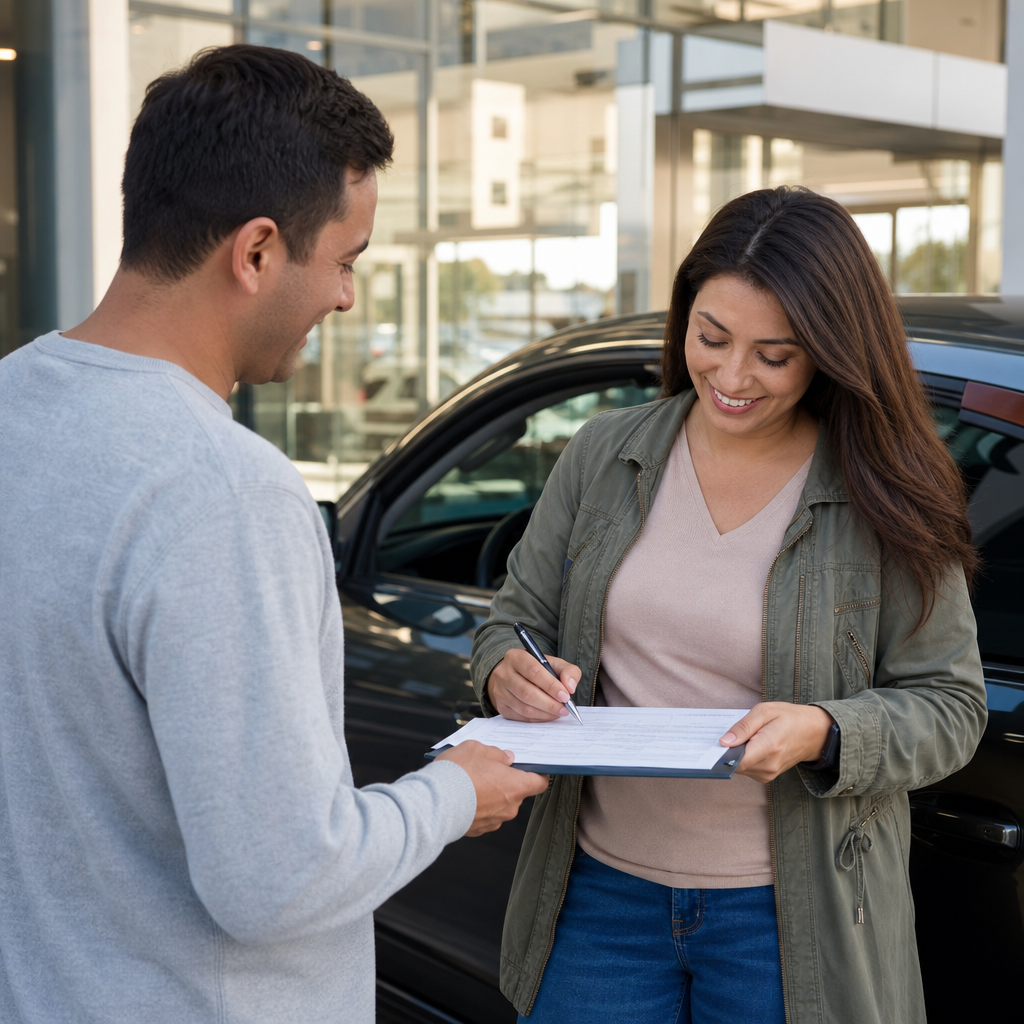
Transferring a car title in California means legally changing ownership through the California Department of Motor Vehicles, usually by signing the title, completing a title application, disclosing the odometer reading when required, and paying transfer fees and use tax. It matters because without a proper transfer, the buyer cannot register the vehicle, and the seller can remain tied to tickets, tolls, or liability issues.
California title transfer rules are detailed, and I have seen small mistakes cause weeks of delay. A missing signature, an incorrect odometer entry, or an old lien still showing on record can stop the process cold. For buyers, that delay can mean an unusable car sitting in the driveway. For sellers, it can mean collection notices or parking violations tied to a vehicle they no longer own. Getting the paperwork right the first time is the simplest way to skip the DMV line and avoid preventable problems.
This guide covers standard private-party transfers, family transfers, inherited vehicles, missing titles, lien issues, and out-of-state complications. It also works as a hub for the broader lost and replacement titles by state topic, because many California transfer problems start with missing paperwork rather than the sale itself. California DMV procedures change from time to time, so always verify current fees and form numbers before filing, but the ownership rules below reflect the process most people will face.
What documents are needed to transfer a car title in California?
In most cases, California requires the current certificate of title, properly assigned by the seller; the buyer’s information; an odometer disclosure for vehicles model year 2011 or newer under federal odometer rules; payment of title and registration fees; and any applicable use tax. If the title is missing, damaged, or unusable, the parties usually need a replacement title process or an Application for Duplicate or Paperless Title before the transfer can be completed.
The exact paperwork depends on the situation. A basic private sale is straightforward if the pink slip is available and accurate. If there is a lender listed, the lien must be released before the transfer can clear. If the name on the title does not match the seller’s identification because of marriage, inheritance, or business ownership, the transfer packet grows. When I review problem files, the most common issue is that people assume a bill of sale alone transfers ownership in California. It does not replace a valid title in ordinary cases.
California buyers should also pay attention to timing. The buyer generally must transfer title within 10 days of purchase to avoid penalties, and the seller should submit a Notice of Transfer and Release of Liability promptly. That notice is one of the most important seller protections in the state because it tells DMV the vehicle left the seller’s control.
Step-by-step California title transfer process
The cleanest title transfer follows a predictable sequence: confirm the seller is the titled owner, review the front and back of the title for lienholders or altered entries, complete the assignment section exactly as printed, capture the odometer disclosure if required, collect a smog certificate when California requires one, submit the transfer to DMV, and pay the fees. If anything is missing, fix it before money changes hands if possible.
| Step | What to do | Why it matters |
|---|---|---|
| 1 | Match the seller’s name to the title | Prevents buying from someone without legal authority to sell |
| 2 | Check for lienholder information | An unreleased lien can block retitling |
| 3 | Sign the title correctly | Cross-outs and wrong signatures often trigger rejection |
| 4 | Record odometer mileage when required | Federal law applies to many newer vehicles |
| 5 | Verify smog compliance | California often requires a valid smog certificate from the seller |
| 6 | File transfer paperwork and pay taxes and fees | Completes legal ownership and registration |
| 7 | Seller files release of liability | Helps stop future tickets and toll claims |
Smog is where many buyers get surprised. In most private-party California sales, the seller must provide a valid smog certification, unless a statutory exemption applies. Exemptions can include certain electric vehicles, newer gasoline vehicles under the state exemption window, or transfers between certain family members. Always verify the current exemption rules with California DMV or the Bureau of Automotive Repair because model-year cutoffs and program details matter.
Fees vary by vehicle type, county, registration status, and taxes due. California use tax can be substantial, so buyers should calculate the full cost before closing the deal. If a vehicle came from out of state, there may be additional verification requirements, including VIN inspection and emissions-related review.
Special situations: family transfers, inherited cars, liens, and missing titles
Family transfers can be simpler, but only when the relationship fits California’s statutory exemptions and the forms are completed correctly. A parent-to-child or grandparent-to-grandchild transfer may reduce or eliminate use tax and can affect smog requirements, but the exemption is not automatic. The buyer still needs to document the relationship and submit the transfer properly. If the title lists multiple owners joined by “and,” all owners usually must sign. If it says “or,” either owner may generally sign, but verify the title wording carefully.
Inherited vehicles are more sensitive. If someone died and the vehicle is not in your name, you are not getting a title by wishful thinking. The authority to transfer depends on probate status, the value of the estate, whether there is a will, and who has legal power to act. California may allow simplified transfers in smaller estates, but larger or disputed estates can require probate documents. This is one area where compassionate, precise help matters because one wrong filing can stall the transfer for months.
Liens are another common obstacle. If a bank has been paid off but still appears on the title, the buyer needs a proper lien release. When the lender is out of business, the file can become more technical. You may need archived payoff evidence, merger records, or DMV-supported alternatives. National Motor Vehicle Title Information System data can help confirm branding and title history, while lender records, state filings, and sometimes AAMVA-related title pathways help resolve the paper trail. This is where title specialists earn their keep.
Missing titles create the broadest category of trouble. If the seller lost the title, order a replacement before the sale whenever possible. If the title was signed incorrectly, badly damaged, or unavailable because of an older registration error, the transfer can require duplicate title filings, supporting statements, and extra identity checks. In edge cases, a bonded title or other curative process may be needed, especially when ownership history is incomplete. California does not treat all no-title situations alike, so the facts matter.
Common mistakes and how to avoid delays
The biggest California title transfer mistakes are predictable: buying a vehicle without checking the title first, leaving blanks in the assignment section, using white-out or crossing out errors, ignoring an open lien, missing the smog requirement, or assuming a handwritten bill of sale solves everything. It does not. DMV clerks and title processors are trained to reject incomplete chains of ownership because title fraud is a real issue.
I also see buyers rely on promises like “the title is in the mail” or “my cousin can sign for the owner.” Those are red flags. If the seller cannot show authority to transfer ownership, stop the deal until the paperwork is fixed. The National Insurance Crime Bureau VIN check and NMVTIS-participating title history sources are useful screening tools before purchase. They will not replace DMV records, but they can reveal theft indicators, brands, and inconsistencies worth investigating.
Another avoidable problem is timing. Late transfer penalties add up, and delayed registration can create insurance and parking issues. Sellers should keep copies of the signed title, bill of sale, and release of liability confirmation. Buyers should keep every receipt, smog certificate, and lien release. If the case involves an MSO, salvage history, imported vehicle, or home-state registration failure, organize the file before contacting DMV. Complex retitling succeeds faster when the paper trail is assembled in order.
When professional title help makes sense
Some California transfers are routine enough to do alone. Others are not. If the vehicle came from another state, belonged to a deceased owner, has an unreleased lien, lacks a valid title, or includes a registration block, professional help often saves time and money. That is especially true for collectors, RV owners, and buyers of older vehicles where paperwork gaps are common.
Specialists who work these files every day know how to identify the real issue quickly. Sometimes the answer is a duplicate title. Sometimes it is a probate packet, a lien resolution, or a bonded title path. In some cases, buyers also explore the Montana LLC method for lawful registration and tax planning on qualifying vehicles, especially high-value motorhomes and exotics, but that is a separate strategy from fixing California ownership records. The first job is always clear title.
Reviewed by Legal Tags registration specialists, the practical takeaway is simple: verify ownership, clear liens, meet smog and odometer rules, and file quickly. If your paperwork is messy, get help before the problem grows. For related issues such as lost titles, replacement titles, inherited vehicles, and retitling with missing documents, use this California hub as your starting point and move to the subtopic that matches your case.
Frequently Asked Questions
What documents are needed to transfer a car title in California?
In most California vehicle title transfers, you will need the current California Certificate of Title, properly signed by the seller and buyer, along with the buyer’s ownership and registration application if required by the California Department of Motor Vehicles. The title should show the legal owner information, the seller’s signature in the correct section, and the buyer’s name exactly as it should appear on the new title. If there is more than one owner listed, the way the names are connected on the title, such as “and” or “or,” can affect who must sign.
You may also need an odometer disclosure if the vehicle qualifies under federal and state rules, usually for newer vehicles. If the title is missing, damaged, or does not have enough space for reassignment, additional DMV forms may be required. Depending on the situation, the buyer may also need to provide a smog certification, lien release, bill of sale, or identification information. Because California title transfer rules can vary based on whether the transfer is a private-party sale, family transfer, inherited vehicle, or out-of-state vehicle, it is important to review the vehicle record and make sure every signature, date, and disclosure is complete before submitting paperwork. Small mistakes like signing in the wrong place, using nicknames, or leaving out the sale date can delay the transfer significantly.
How do you sign a California car title correctly when selling or buying a vehicle?
Signing the title correctly is one of the most important parts of a California title transfer because even a small error can lead to rejection or require duplicate title paperwork. The seller should sign exactly where the title instructs and use the same name format printed on the front of the title. The buyer should also complete the appropriate buyer section using their full legal name. If the title includes multiple owners, all required parties must sign based on how ownership is listed. If there is an active lien, the lienholder may also need to release its interest before the transfer can be completed.
Both parties should avoid cross-outs, white-out, or handwriting corrections on the title unless the DMV specifically permits them. If an odometer disclosure section appears on the title, make sure it is completed accurately when required. The mileage should be written clearly and truthfully, because false odometer statements can create legal problems beyond a simple DMV delay. It is also a good idea for the seller and buyer to review the title together before signing so they can confirm the VIN, sale date, and spelling of names. Careful title completion helps prevent the common problems people run into, such as rejected forms, delayed registration, or the need to apply for a duplicate title before the ownership change can move forward.
How long do you have to transfer a car title in California?
California generally expects a buyer to complete the title transfer promptly after purchasing the vehicle, and delays can lead to penalties, registration issues, or complications with taxes and fees. While the exact timing can depend on the type of transaction, buyers should not wait to submit transfer paperwork. Acting quickly is especially important because the buyer usually cannot fully register the vehicle in their name until the title transfer is processed. If the transfer is delayed, the buyer may face late transfer penalties or trouble proving legal ownership.
Sellers also have an important timing responsibility. To protect themselves, they should notify the state that the vehicle has been sold or transferred as soon as possible. This step matters because if the title is not updated and the seller does not file the proper notice, the seller may continue to be associated with parking tickets, toll violations, impound notices, or even certain liability concerns tied to the vehicle. In practical terms, both parties should treat the title transfer as an immediate post-sale task, not something to leave for later. Submitting complete paperwork right away is the best way to avoid avoidable delays, penalties, and disputes.
Do you need a smog certificate and odometer disclosure to transfer a car title in California?
In many California private-party vehicle sales, a smog certification is required before the ownership transfer can be completed, although there are exceptions depending on the type of vehicle, its model year, and the nature of the transfer. For example, some family transfers or certain vehicle categories may not require a current smog certificate. Because California emissions rules are specific, buyers and sellers should confirm whether the vehicle is exempt or whether a valid smog inspection is needed before submitting title paperwork. If a required smog certificate is missing, the DMV may not complete the transfer or registration until the issue is resolved.
Odometer disclosure is a separate requirement and is generally required for certain vehicles based on age and title format. If the title includes an odometer disclosure section, it must be completed accurately when applicable. The seller must disclose the mileage reading, and the buyer should verify it before signing. This disclosure is not just a routine checkbox; it is a legal statement about the vehicle’s mileage history. If the odometer section is left blank, filled out incorrectly, or does not match related paperwork, the transfer can be delayed. Since both smog and odometer requirements can vary by circumstance, the safest approach is to check the current California DMV rules for the exact vehicle and transfer type before finalizing the sale.
What happens if a California car title transfer is not completed properly?
If a California title transfer is not completed properly, both the buyer and seller can face real problems. For the buyer, an incomplete or rejected transfer can mean the vehicle cannot be registered in their name, which can affect lawful operation, insurance handling, and proof of ownership. The buyer may also end up paying additional fees if deadlines are missed while errors are being fixed. Common issues include missing signatures, an unsigned lien release, incorrect buyer information, incomplete odometer disclosure, or title damage that makes the document unacceptable to the DMV.
For the seller, failing to complete the transfer process or report the transfer can leave their name tied to the vehicle after it has been sold. That can result in headaches involving toll charges, parking tickets, red-light camera notices, impound records, or questions about who was responsible for the vehicle at a particular time. In more complicated situations, a bad transfer can trigger disputes over ownership, taxes, or liability. The best way to avoid these issues is to make sure the title is signed correctly, all required forms are submitted, any smog or lien issues are handled, and the seller files the appropriate notice with the state. Careful paperwork at the time of sale is far easier than trying to fix title problems after the transaction is already in motion.